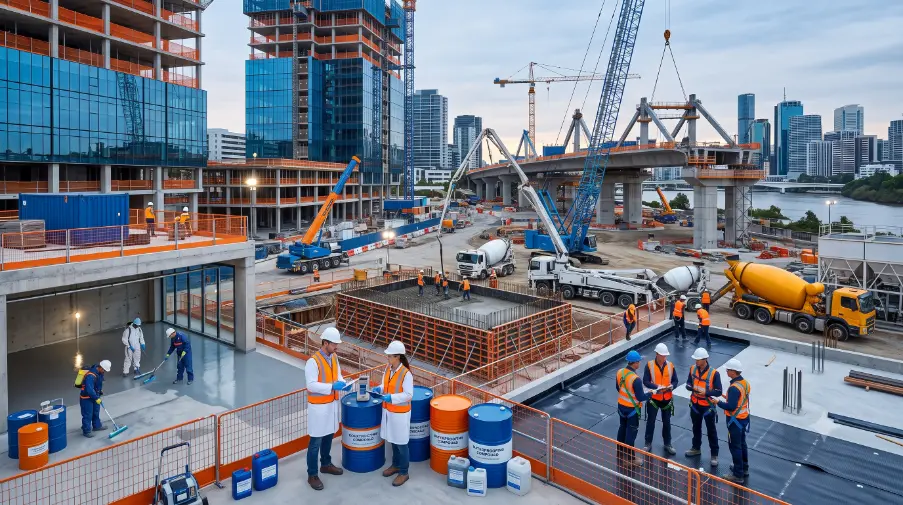
The construction industry relies on more than just cement, steel, and aggregates to build durable structures. Understanding the types of construction chemicals is essential for selecting the right materials that improve the strength, workability, durability, and lifespan of buildings and infrastructure. From residential homes and commercial complexes to bridges and industrial plants, different types of construction chemicals are designed to meet specific construction needs. These specialized products enhance structural performance, protect against environmental damage, and help reduce long-term maintenance costs while ensuring high-quality, long-lasting construction.
Key Takeaways
- Construction chemicals improve strength, durability, and workability.
- Different chemicals are designed for concrete, waterproofing, repairs, flooring, and surface protection.
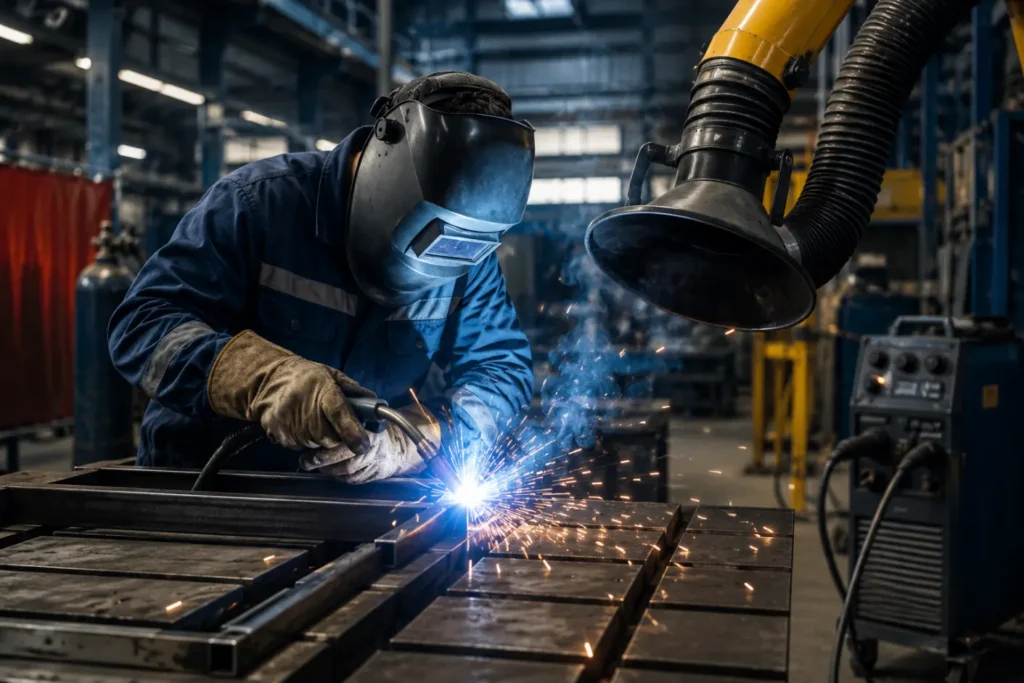
- Industrial specialty chemicals support precast concrete and manufacturing processes.
Choosing the right construction chemical improves project quality and reduces long-term maintenance
Each type of construction chemical serves a specific purpose—from enhancing concrete strength to preventing water leakage and protecting surfaces against harsh environmental conditions.
Also Read: Construction Chemicals
Main Types of Construction Chemicals:
Modern construction is no longer limited to cement, sand, and steel. Today’s buildings and infrastructure require advanced materials that improve strength, durability, and long-term performance. This is where construction chemicals play a vital role. These specially formulated products enhance the properties of concrete, protect structures from environmental damage, and improve construction efficiency.
From residential homes and commercial buildings to bridges, highways, and industrial facilities, different types of construction chemicals are used at every stage of construction. Choosing the right chemical not only improves structural quality but also reduces maintenance costs and extends the service life of the building
| Construction Chemical | Primary Use | Common Applications |
| Concrete Admixtures | Improve concrete performance | Buildings, bridges, roads |
| Waterproofing Chemicals | Prevent water penetration | Roofs, basements, water tanks |
| Repair Chemicals | Restore damaged concrete | Bridges, columns, industrial buildings |
| Flooring Chemicals | Create durable floor surfaces | Warehouses, hospitals, factories |
| Tile Adhesives & Grouts | Strong tile bonding | Homes, offices, commercial spaces |
| Protective Coatings | Protect against corrosion & chemicals | Steel structures, concrete surfaces |
| Sealants | Fill joints and cracks | Windows, expansion joints, façades |
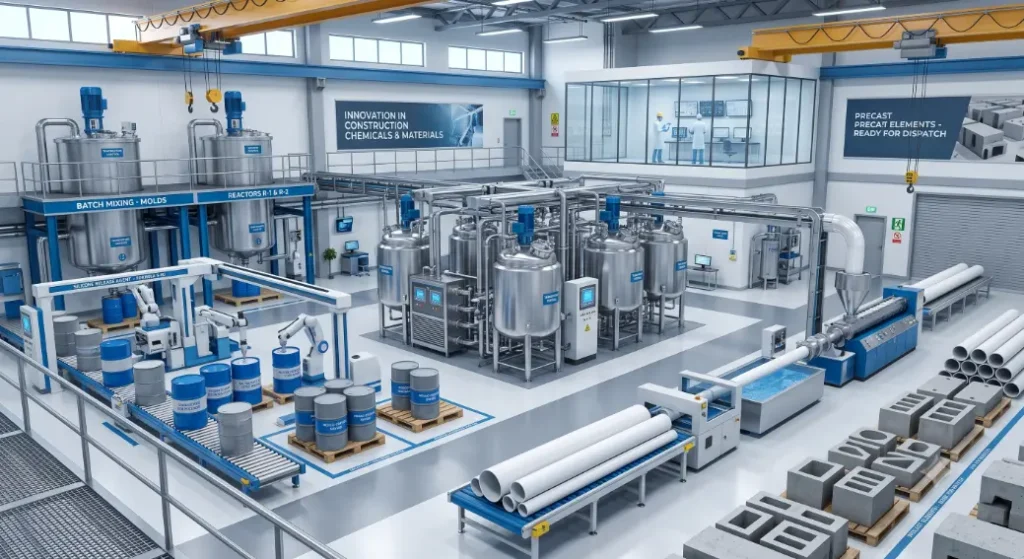
| Industrial Specialty Chemicals | Improve manufacturing efficiency | Precast concrete, mould release, PVC products |
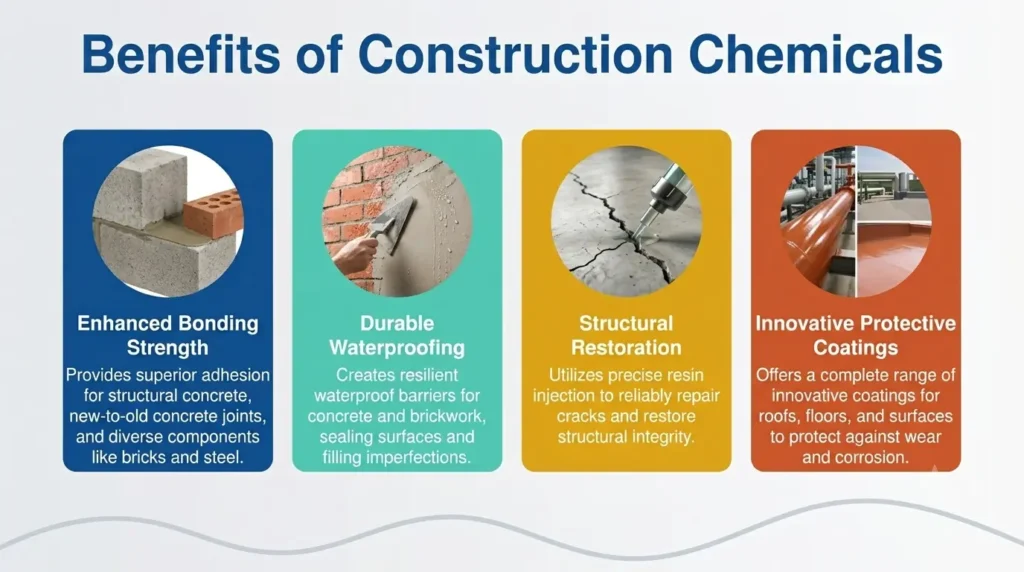
Benefits of Construction Chemicals
Using the right construction chemicals provides several advantages throughout the construction lifecycle.
| Benefit | Impact |
| Improved Strength | Enhances concrete performance |
| Waterproofing | Prevents leakage and dampness |
| Durability | Extends service life of structures |
| Cost Savings | Reduces maintenance and repairs |
| Better Workability | Makes concrete easier to place and finish |
| Surface Protection | Prevents corrosion and chemical damage |
| Faster Construction | Improves productivity on-site |
How to Choose the Right Construction Chemicals
Before selecting a construction chemical, consider the following:
- Type of construction project
- Environmental conditions
- Structural load requirements
- Exposure to water or chemicals
- Compatibility with construction materials
- Compliance with industry standards
Using quality products from reliable manufacturers ensures better performance and long-term durability.
Conclusion
Understanding the types of construction chemicals helps builders, engineers, and contractors choose the right products for every stage of construction. From concrete admixtures and waterproofing chemicals to repair materials, protective coatings, and industrial specialty chemicals, each plays a crucial role in improving structural performance and construction efficiency.
By selecting the appropriate construction chemicals, projects can achieve greater durability, reduced maintenance costs, enhanced safety, and longer service life. As modern construction continues to evolve, these advanced chemical solutions remain an essential part of building stronger, more sustainable, and high-quality infrastructure.
Frequently Asked Questions
1.What are the main types of construction chemicals?
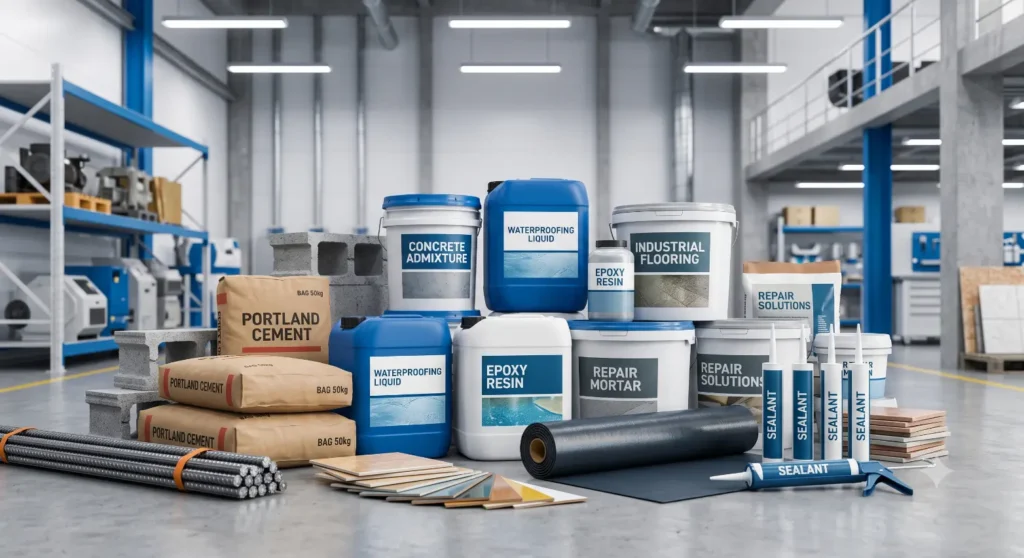
Concrete admixtures, waterproofing chemicals, repair chemicals, flooring systems, tile adhesives, protective coatings, sealants, and industrial specialty chemicals.
2.Why are construction chemicals important?
They improve concrete performance, protect structures from damage, increase durability, and reduce maintenance costs.
3.Which construction chemical is used for waterproofing?
Cementitious coatings, polyurethane membranes, acrylic coatings, and liquid waterproofing compounds are commonly used.
4.Where are industrial specialty chemicals used?
They are used in precast concrete production, mould release applications, PVC manufacturing, and other industrial construction processes.