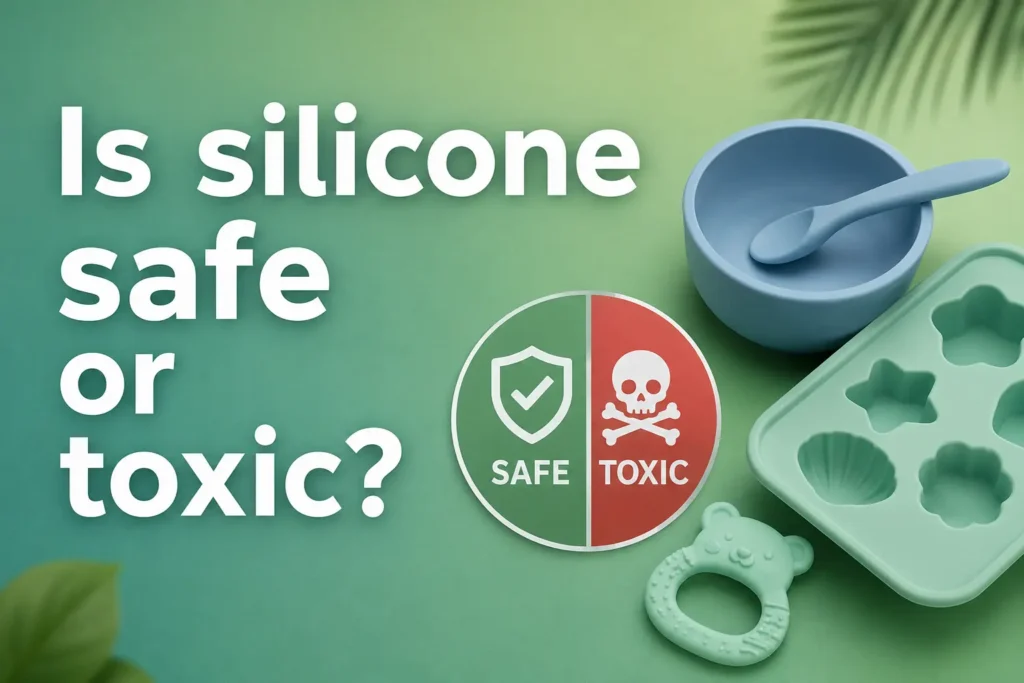
“Is silicone toxic?” is a common concern among consumers transitioning away from plastic cookware, but high-grade silicone is generally considered non-toxic and inert. Silicone is found everywhere, from kitchen utensils and food containers to medical devices, sealants, personal-care products, and industrial components. Its flexibility, heat resistance, chemical stability, and durability have made it a popular alternative to many conventional materials.
But one question often comes up before using it: Is silicone toxic?
The short answer is not necessarily. Silicone itself is generally considered relatively stable and is widely used in food-contact, medical, and household applications. However, not every silicone product is identical, and safety depends on the formulation, additives, curing process, intended use, and route of exposure. The risks are also very different between a cured silicone utensil, an industrial sealant, and injectable liquid silicone. The toxicity of silicones largely depends on their molecular structure and purity during manufacturing.
So rather than asking whether all silicone is toxic, it is more useful to ask: What type of silicone is being used, where is it being used, and how might a person be exposed to it?
Table of Contents
Is Silicone Toxic? Understanding Material Safety
Silicone is a family of synthetic polymers built around a silicon-oxygen backbone, with organic groups attached to the silicon atoms. This structure gives silicone several properties that make it useful across different industries.
| Property | Why It Matters |
| Flexible | Can bend and deform without easily breaking. |
| Temperature resistant | Suitable for applications exposed to varying temperatures, depending on grade. |
| Chemically stable | Resistant to many environmental and chemical conditions. |
| Water resistant | Useful for seals, gaskets, and waterproofing applications. |
| Durable | Can maintain performance over extended periods when properly formulated. |
| Low surface energy | Useful for release coatings and certain specialized applications. |
| Biocompatible grades available | Certain formulations can be used in medical applications. |
The important point is that silicone is a broad material category, not a single chemical product. A food-contact silicone and an industrial sealant should not automatically be treated as interchangeable. Silicone polymer degradation typically occurs through thermal or oxidative scission, where exposure to extreme heat, UV light, or strong acids breaks down the siloxane (Si-O-Si) backbone. This breakdown leads to the depolymerization of the material into volatile cyclic siloxane oligomers and silanol compounds over time.
Where Is Silicone Commonly Used?
Long-term industrial exposure raises concerns regarding the toxicity of silicones, specifically low-molecular-weight cyclic siloxanes like D4.
| Industry | Examples of Silicone Applications |
| Food & kitchen | Spatulas, baking moulds, seals and food-contact products |
| Medical | Tubing, components, implants and medical devices |
| Construction | Sealants, weatherproofing and joint sealing |
| Automotive | Gaskets, seals, hoses and electrical protection |
| Electronics | Insulation, encapsulation and protective coatings |
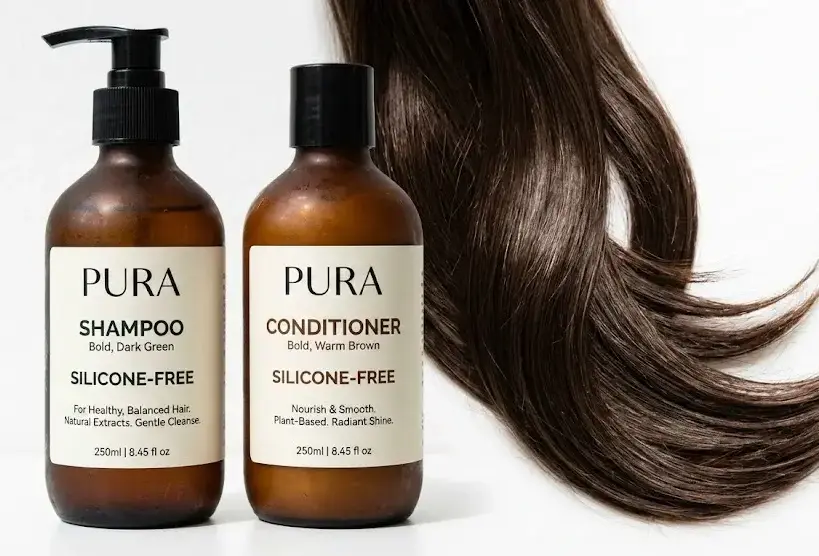
| Personal care | Hair-care and cosmetic formulations |
| Textiles | Softening, water-repellent and performance finishes |
| Industrial manufacturing | Moulds, coatings, adhesives and specialty components |
The FDA also lists dimethylpolysiloxane among substances included in its food-substance database, with specified regulated uses. This illustrates why the particular silicone formulation and application matter when evaluating safety.
Food-Grade Silicone: Is It Safe?
Many health-conscious consumers frequently ask ‘is silicone toxic?’ before replacing plastic storage containers with food-grade silicone alternatives. Food-grade silicone is specifically formulated and evaluated for applications involving food contact. That does not mean that every silicone product can be used safely with food. Consumers often worry about the toxicity of silicones, though food-grade formulations are tested to prevent harmful chemical leaching.
| Food-Contact Silicone | Non-Food Silicone |
| Designed for food-contact applications | May be designed for construction or industrial use |
| Manufactured according to relevant requirements | May contain components unsuitable for food contact |
| Used in products such as baking moulds and utensils | Used in sealants, gaskets, adhesives and industrial components |
| Should be used within stated temperature limits | May have completely different temperature and chemical requirements |
The finished product, formulation, processing, curing, and compliance with applicable food-contact requirements all matter.
Is Silicone Toxic? Facts about Liquid Silicone
Liquid silicone should not be confused with cured silicone products. The FDA warns against injecting liquid silicone for cosmetic purposes. Improper injection can result in silicone travelling through tissues or blood vessels and causing potentially severe complications. Evaluating the toxicity of silicone requires looking beyond cured polymers to examine raw material purities and thermal stability limits.
| Type of Exposure | Concern |
| Cured household silicone | Generally low concern when used correctly |
| Food-contact silicone | Intended for food use when appropriately manufactured and compliant |
| Industrial silicone | Must be handled according to its safety data and intended application |
| Uncured silicone formulation | May contain reactive components or additives requiring precautions |
| Liquid silicone injection | Potentially dangerous and medically inappropriate outside approved applications |
| Leaking silicone implant | Requires medical evaluation depending on the situation |
The route of exposure is therefore extremely important. A cured silicone sealant on a bathroom joint and injectable liquid silicone are completely different exposure scenarios.
Can Silicone Cause Allergic Reactions?
Silicone itself is generally considered relatively inert, but reactions can occur for different reasons depending on the product and individual circumstances.
| Possible Issue | What It Could Mean |
| Skin irritation | May result from contact with an uncured formulation or other ingredients. |
| Contact dermatitis | Could be associated with additives or other components rather than the silicone polymer itself. |
| Implant-related reaction | Requires assessment by a healthcare professional. |
| Chemical exposure | Risk depends on the specific formulation and route of exposure. |
| Fumes during curing | Some formulations release volatile byproducts during curing and require appropriate ventilation. |
If a product causes persistent irritation, burning, swelling, breathing difficulty, or another concerning reaction, stop exposure and seek appropriate medical advice.
Silicone Safety Depends on the Application
One of the easiest ways to understand silicone safety is to compare applications.
| Application | Appropriate Silicone Matters? | Main Safety Consideration |
| Kitchen utensil | Yes | Food-contact suitability and temperature rating |
| Baby product | Yes | Applicable safety requirements and material quality |
| Bathroom sealant | Yes | Use the product according to its intended application |
| Medical device | Critical | Medical-grade formulation and regulatory requirements |
| Industrial gasket | Yes | Chemical compatibility and operating temperature |
| Automotive component | Yes | Temperature, fluids, pressure and durability |
| Cosmetic product | Yes | Appropriate cosmetic-grade ingredients and formulation |
This is why terms such as food-grade, medical-grade, industrial-grade, and construction-grade should not be treated as interchangeable labels.
Wrapping Up
So, is silicone toxic? The most accurate answer is: silicone is not inherently toxic in every application, but safety depends heavily on the type of silicone, formulation, purity, curing system, intended use, and route of exposure.
For everyday applications such as appropriately manufactured food-contact products, cured household products, and approved medical devices, silicone has a long history of use. At the same time, uncured formulations, unsuitable industrial products, excessive heat, and especially improper injection of liquid silicone require much greater caution. Understanding the toxicity of silicones requires looking closely at product purity, manufacturing additives, and environmental bioaccumulation.
For manufacturers, selecting the right silicone formulation is therefore just as important as understanding the material itself. Biopol Chemicals can help businesses explore silicone and specialty chemical solutions tailored to specific industrial and manufacturing requirements. If you are looking for reliable chemical solutions for your application, contact Biopol Chemicals to discuss your requirements and identify the right formulation for your needs.
FAQs
1. Is silicone toxic to humans?
Silicone is generally considered chemically stable and is widely used in household, food-contact, and medical applications. However, safety depends on the specific formulation and how the material is used. Improper exposure to liquid silicone, particularly through injection, can be dangerous.
2. Is silicone safe for cooking?
Appropriately manufactured food-contact silicone products are designed for cooking and baking within their specified temperature limits. However, not every silicone product is suitable for food contact. Always check the product’s intended use and temperature rating.
3. Is silicone toxic when heated?
The answer depends on the specific silicone product, formulation, temperature, and duration of heating. Some research has identified migration or release of siloxanes from certain silicone products under high-temperature conditions, although the implications for normal household exposure remain an area of ongoing research.
4. Is silicone sealant toxic after it dries?
Once properly cured, silicone sealants are generally much more stable than their uncured formulations. However, construction or industrial sealants should never be assumed to be food-safe or suitable for direct bodily contact merely because they have cured.
5. Can silicone cause skin problems?
Some people may experience irritation or reactions to a particular silicone product or its other ingredients. Uncured formulations deserve particular caution because they can contain reactive components. Follow the product’s safety instructions and avoid prolonged skin contact.
Also Read