
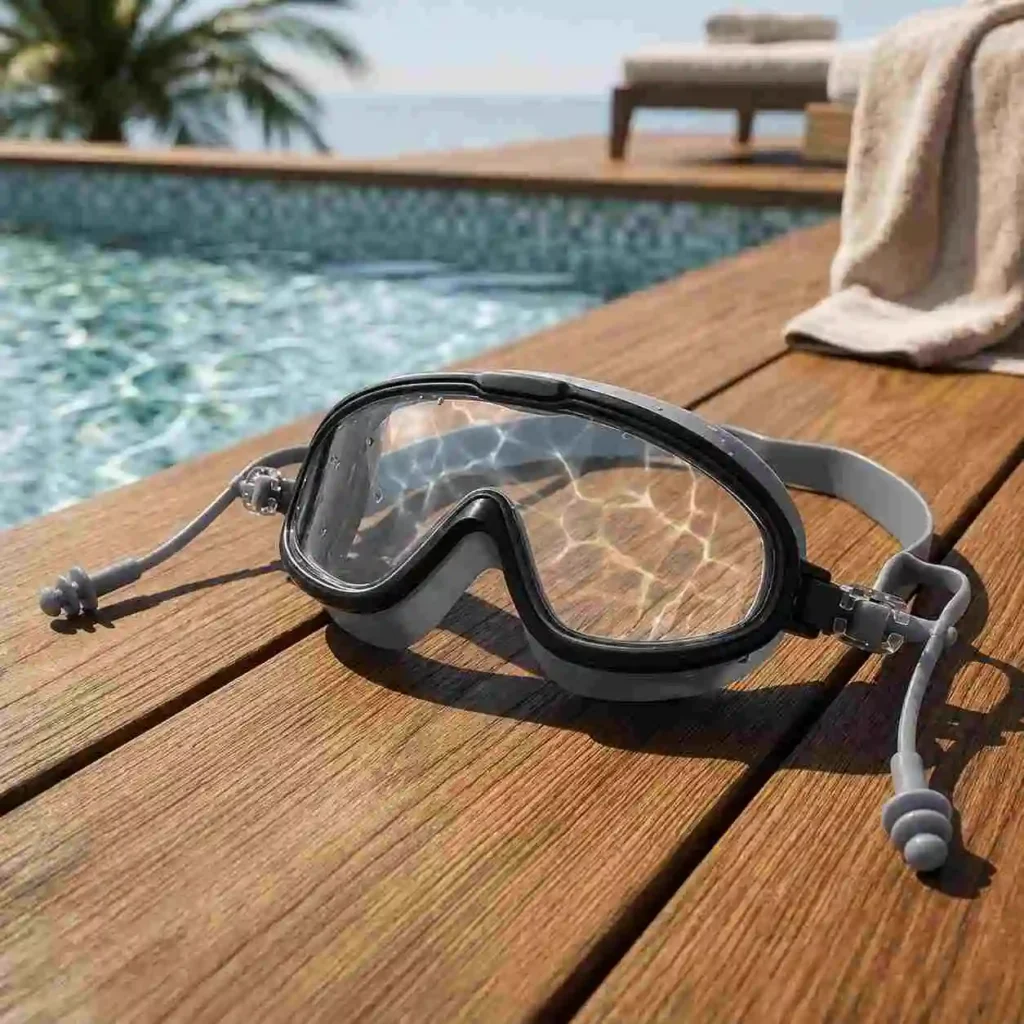
Silicone swim goggles seal against the face with a soft silicone gasket, a material product developers favor because it springs back to shape after being compressed thousands of times, instead of gradually going flat the way cheaper elastomers do. Design research into commercial silicone swim goggles shows that most models share the same basic parts, but fit still varies enough between brands that a five-minute in-store check matters more than any spec sheet. And while silicone genuinely holds up better than many alternatives, it isn’t magic — durability still comes down to gasket geometry, how it’s molded, and how it’s cared for, not the word “silicone” on the box.
Key Takeaways
Silicone swim goggles offer a comfortable and flexible fit.
They provide a reliable seal to help keep water out.
Silicone is durable and suitable for regular swimming.
Adjustable straps help keep the goggles securely in place.
Quality lenses provide clear underwater vision.
Choosing the right fit and lens type improves your swimming experience.
What Actually Makes Silicone the Go-To Seal Material
If you’ve ever owned a cheap pair of silicone swim goggles with a foam or hard rubber seal, you already know the failure mode: the seal compresses, doesn’t spring back, and starts leaving gaps at the exact moment you need it not to. Silicone was adopted for goggle gaskets specifically because it resists that problem.
The clearest evidence for this doesn’t come from a silicone swim goggle brand’s own marketing — it comes from how product developers actually build and test gaskets. When one swim-gear company’s product-development team was prototyping a new silicone swim goggle, they initially tried “silicone-like” 3D-printing materials to speed up iteration. The result was telling: those imitation materials would bend and flex under pressure, but they wouldn’t rebound the way real silicone does — some even tore under repeated strain.
Manufacturers also commonly describe silicone as hypoallergenic and more chlorine-resistant than rubber or foam. Those claims are broadly consistent with what’s known about the material — silicone is less reactive than latex and doesn’t break down as fast as foam — but treat marketing language like “hypoallergenic” as a general tendency, not a guarantee. Some swimmers still react to silicone or to the dyes and additives blended into it, and terms like “biodegradable silicone” or manufacturer recycling claims are worth taking with a grain of salt unless a brand backs them up with specifics, since silicone is not a material that breaks down quickly in the environment on its own.
Why One Pair Doesn’t Fit Every Face
A 2020 engineering review that examined the design of 26 commercially available swimming goggles found something worth knowing before you buy: most goggles share the same basic components — lens, gasket, strap, nose bridge — but manufacturers vary the dimensions of those parts quite a bit from model to model. The same review was blunt about the industry’s core limitation: most silicone swim goggles are still designed as one-size-fits-all, which doesn’t match the real range of human eye-socket depths, nose-bridge widths, and facial shapes that exist.
That review also described an emerging alternative: scanning a swimmer’s face in 2D or 3D, building a custom gasket shape in CAD software, then 3D-printing and test-fitting it against the wearer’s actual features.
How to Choose Silicone Goggles That Actually Fit
Because fit varies this much between models, a few simple checks matter more than brand name or price:
- Do the suction test. Before buying, press the silicone swim goggles gently onto closed eyes without putting the strap on. If they hold in place on their own with light suction for a few seconds, the seal matches your face; if they slip or fall immediately, try a different size or model.
- Pay attention to where the gasket actually presses. A gasket that lands on the bony ridge of the eye socket rather than the soft tissue around it will start to hurt on longer swims even if it seals fine at first.
- Check the nose bridge separately from the eye seal. Nose-bridge width is one of the dimensions that varies most between silicone swim goggle models, and a mismatch here is a common, easy-to-miss cause of leaks.
- Don’t crank the strap down to compensate for a bad seal. If you need the strap uncomfortably tight to stop leaking, the gasket shape is wrong for your face — tightening the strap just trades leaking for headaches and red marks.
- Match the gasket style to how you swim. Smaller, low-profile gaskets sit closer to the eye and suit competitive swimmers focused on drag; broader gaskets spread pressure over more surface area and tend to be more comfortable for long recreational or open-water sessions.
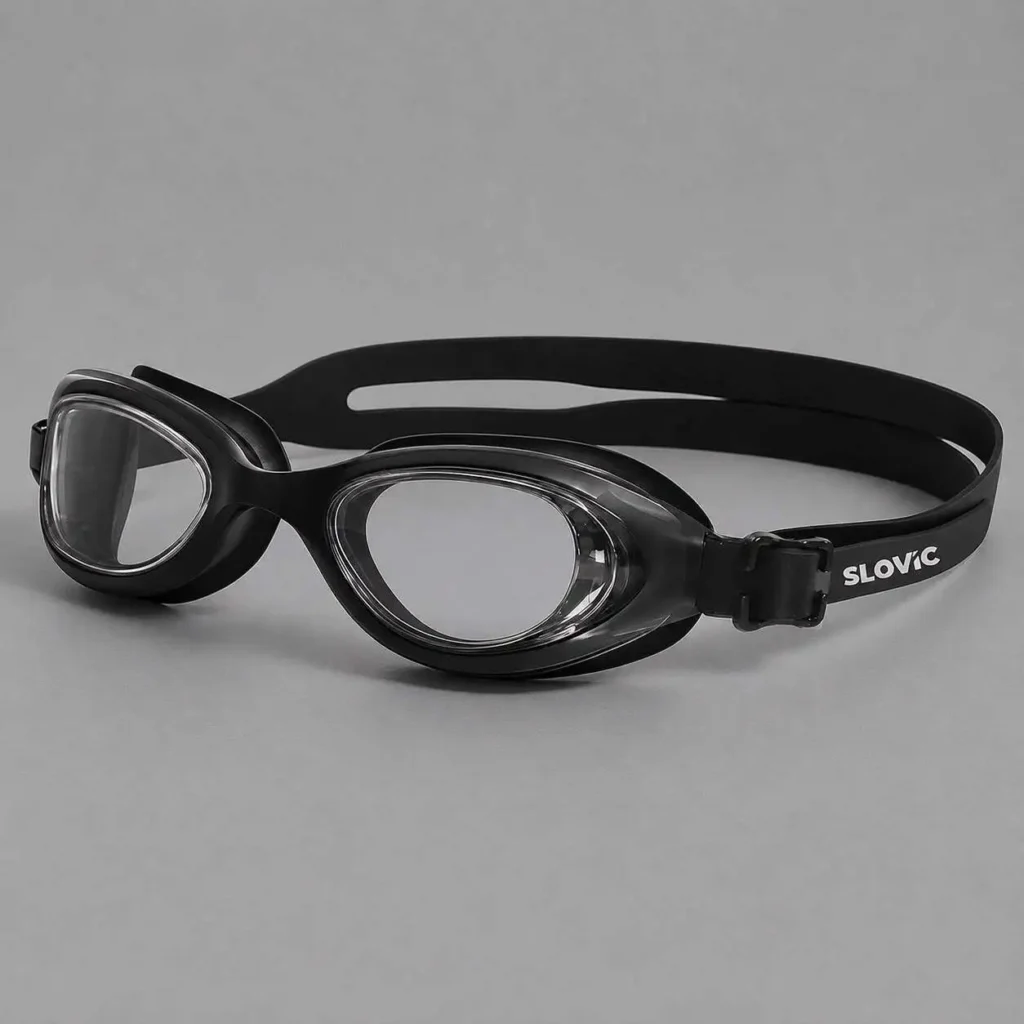
Getting the Most Life Out of Silicone Goggles
Silicone’s rebound behavior — the same property that made it the obvious choice over foam and hard rubber — is also what degrades gradually with heavy use, so a little care extends how long that seal keeps performing:
- Rinse silicone swim goggles in fresh water after every pool or ocean session to cut down on chlorine and salt residue sitting against the gasket.
- Air-dry them out of direct sunlight. UV exposure accelerates the same kind of material fatigue that repeated compression does.
- Store them in a hard case instead of loose in a swim bag, so the gasket isn’t sitting compressed out of shape or getting scuffed against zippers and other gear.
- Avoid rubbing the inside of the lenses. Most anti-fog coatings wear off with friction, and once that coating is gone it usually doesn’t come back.
- Replace the goggles once the gasket feels noticeably stiffer, thinner, or slower to spring back than when new — that’s the material losing the exact rebound property that made silicone worth choosing in the first place.
Faqs
Are silicone swim goggles actually better than rubber or foam ones?
For most swimmers, yes. The main advantage is rebound: silicone gaskets recover their shape after repeated compression far better than foam or hard rubber, which tend to compress permanently and stop sealing well. That said, “better” doesn’t mean permanent — every gasket material wears down with heavy, regular use.
Is hypoallergenic silicone guaranteed not to irritate my skin?
No. It describes a general tendency toward lower reactivity compared to latex, not a guarantee for every swimmer. Dyes and additives blended into colored silicone can still cause irritation in people with sensitive skin, so if you have a known sensitivity, a simple, single-color gasket is a safer starting point.
Why do my goggles start leaking after a few months even though they’re silicone?
Gradual loss of rebound from repeated flexing, UV exposure, and chlorine or salt contact is normal wear, not a defect. If a leak appears suddenly rather than gradually, check fit first — press the suction test again before assuming the gasket has failed.
How do I know what size silicone goggles to buy?
There’s no sizing chart that works consistently across brands, because gasket dimensions vary a lot between models. The suction test — pressing the silicone swim goggles onto closed eyes without the strap and checking whether they hold with light suction — is the most reliable quick way to judge fit before you commit to buying.
Can swim goggles be custom-made to fit my exact face?
Yes, in principle — researchers have demonstrated a process using 3D facial scanning, CAD modeling, and 3D-printed fabrication to produce individually fitted gaskets. It’s a validated approach, but it remains specialized and isn’t yet something most swimmers can order off the shelf. Trying multiple stock models is still the practical path for now.
Does silicone really outperform newer 3D-printed “silicone-like” materials used in some prototypes?
Based on how product developers have described testing both, yes. Imitation elastomeric materials can flex and stretch similarly at first, but they don’t rebound to their original shape as reliably after repeated use, and some are more prone to tearing under strain — which is exactly the failure mode a silicone swim goggles seal can’t afford.
How often should I replace silicone swim goggles?
There’s no fixed timeline — it depends on how often you swim and in what water. The gasket itself is the best signal: once it feels harder, thinner, or noticeably slower to spring back than when it was new, or leaking becomes frequent, it’s time for a new pair.
The Bottom Line
Silicone swim goggles became the default choice for a concrete, testable reason: it keeps springing back into shape after being compressed over and over, which foam and hard rubber don’t do nearly as well. That rebound property is also exactly what fades with heavy use, UV exposure, and chlorine or salt contact over time, so no silicone gasket lasts forever regardless of what the packaging claims. The most useful thing you can do as a buyer isn’t chasing a marketing label — it’s doing the suction test to confirm the fit is actually right for your face, paying attention to where the seal presses, caring for the gasket properly between swims, and replacing it once it stops bouncing back the way it used to.