Construction chemicals are specialty compounds mixed into concrete or applied on roofs, floors, walls and joints so that a structure lasts longer and performs better. Admixtures, waterproofing systems, sealants, tile adhesives and repair mortars all fall under this group. Construction chemicals India news now covers a lot of ground, from new plants and acquisitions to raw material price swings and large infrastructure orders. This article explains what is happening in the sector and what it means for builders, contractors and buyers.
Key Takeaways
- Construction chemicals India news often cites Mordor Intelligence, which puts the Indian market at about USD 2.53 billion in 2026, rising to USD 4.96 billion by 2032.
- Waterproofing is the largest product segment, with a 35.55% share in 2026 and the fastest forecast growth.
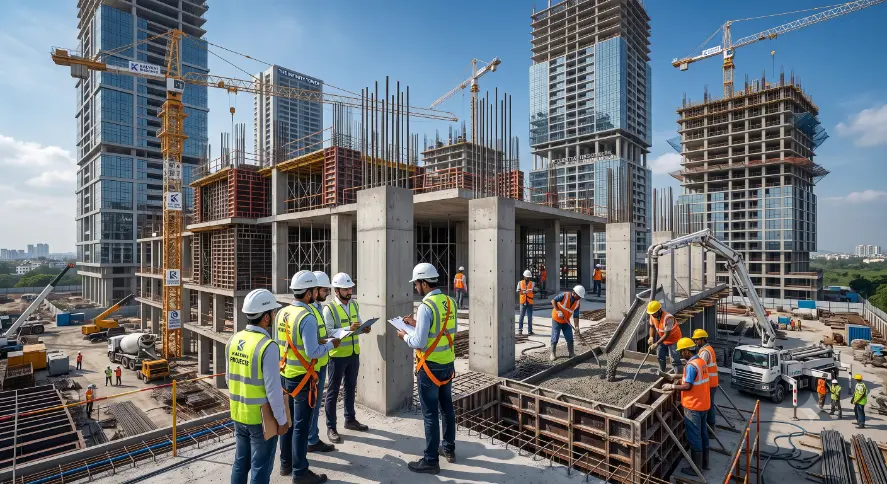
- Roads, metros, housing schemes and ready-mixed concrete are the main demand drivers.
- Raw material inflation linked to the West Asia conflict pushed up manufacturer costs in 2026, a major theme in construction chemicals India news.
- Weak application skills and uneven standards remain the biggest hurdles for the construction chemical industry in India.
What Are Construction Chemicals and Why Do They Matter?
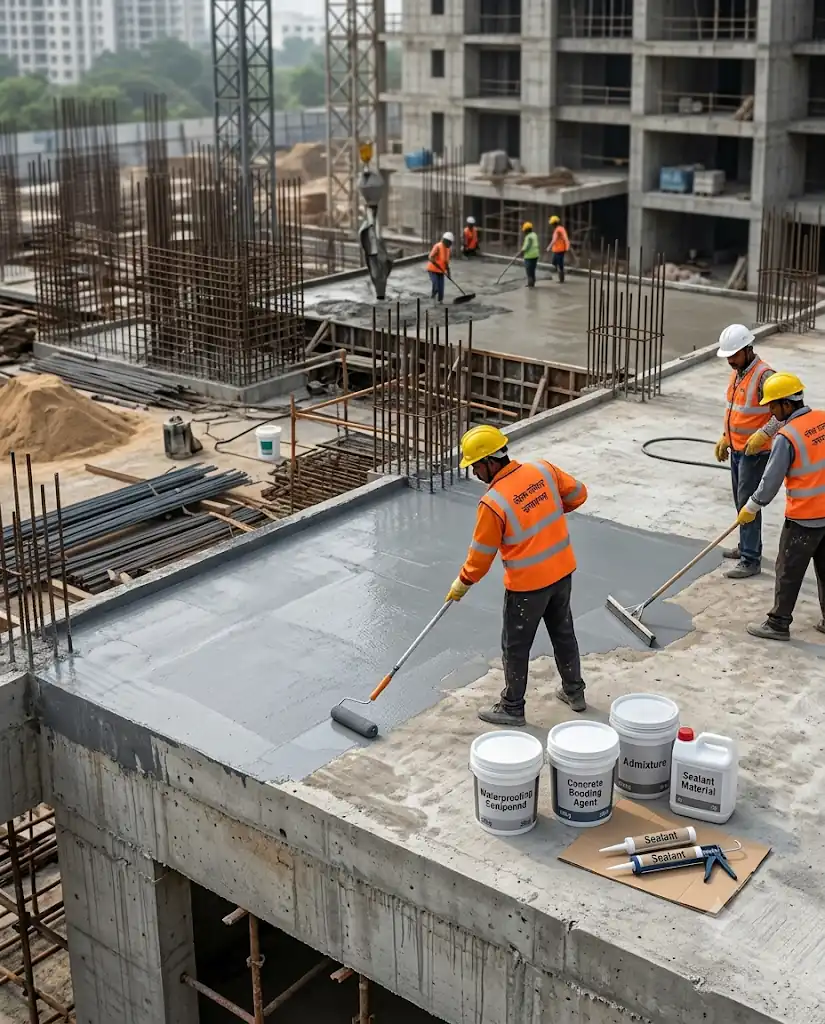
Think of construction chemicals as the quiet helpers behind every solid building. Some go into the concrete mix, while others are applied on roofs, bathrooms, floors and joints once the structure is ready.
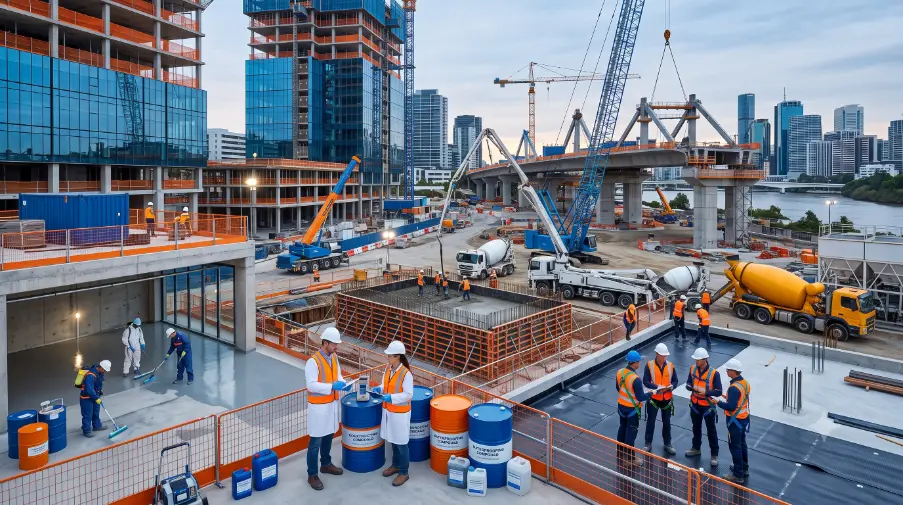
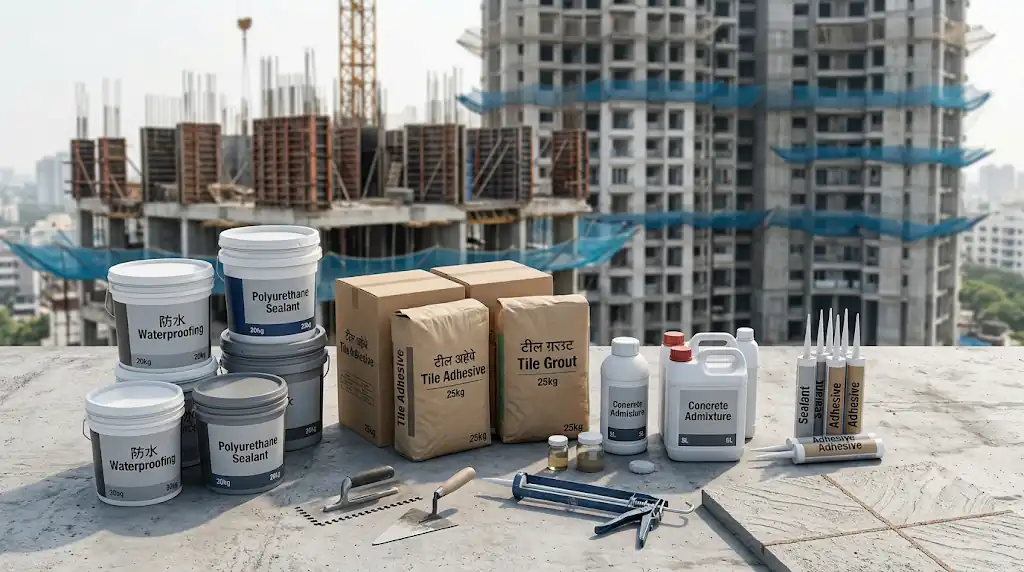
concrete admixtures help the mix flow better, set at the right speed and gain strength. Waterproofing compounds keep moisture out. Adhesives, grouts and sealants hold finishes in place, and repair products fix damage in older structures.
Their cost is usually a small part of a project budget. A wrong choice, however, shows up later as leaks, cracks and repair bills. That is why engineers now specify these products early instead of treating them as an afterthought.
Construction Chemicals India News: Market Size and Growth Outlook
Mordor Intelligence estimates the Indian market at about USD 2.53 billion in 2026. It expects the figure to reach USD 2.84 billion in 2027 and USD 4.96 billion by 2032, which works out to a compound annual growth rate of 11.78% over that period.
Other estimates look very different. A January 2025 Business Standard report put the industry at roughly Rs 20,000 crore, with about half coming from organised construction projects and the rest from retail. An NBMCW article from May 2026 cites a far larger Rs 40,500 crore for 2025, based on Future Market Insights data.
Other published estimates fall in between, from about USD 2.5 billion in Mordor’s data to roughly USD 4.4 billion from Ken Research. The spread likely reflects how each firm defines the market and which products it counts. The infrastructure share varies too: NBMCW reports 62.6% for 2025, while Mordor puts it at 30.15% for 2026. So when you read about the construction chemicals market in India, check the base year and scope before quoting any number.
Construction chemicals India news also points to room to grow on usage alone. Master Builders Solutions’ global chief told Business Standard that growth in emerging economies is usually at least twice the pace of GDP. He also pointed out that almost all concrete in Germany is chemically treated, a level India is still working towards.
Which Product Segments Are Growing Fastest?
In most construction chemicals India news, waterproofing solutions lead the table. They held a 35.55% share in 2026 and are forecast to grow 13.12% a year between 2027 and 2032, the quickest of any segment. Here is how the other categories look:
- Admixtures: ready-mixed concrete keeps spreading, and Prism RMC alone ran 89 plants across 46 locations by March 31, 2026. Every plant relies on water reducers and careful dosage control.
- Adhesives: tile adhesives are replacing the old cement-and-sand method in some applications. Pidilite said in February 2026 that its Roff adhesive converts better on walls than on floors, where users see less reason to give up cement.
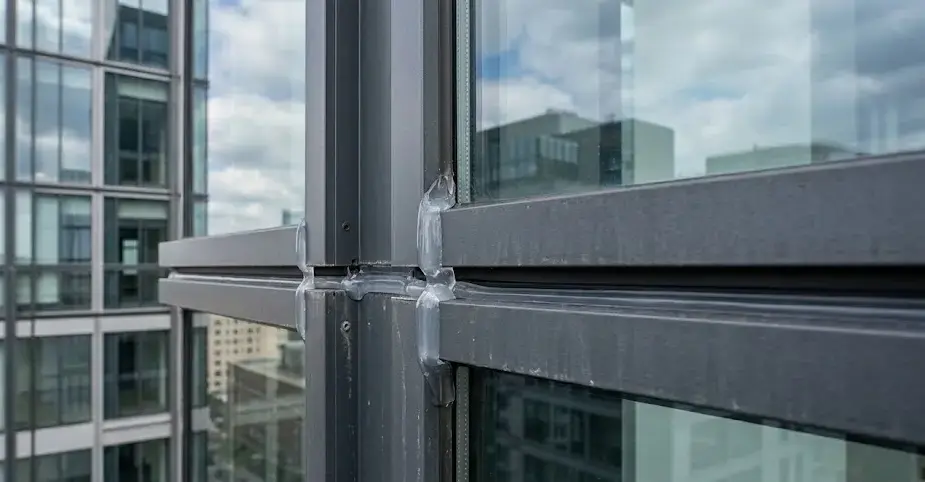
- Sealants: silicone sealants sit beside acrylic, polyurethane and epoxy options. The Indian Green Building Council’s May 2026 Green Campus criteria also give credit for certified green products, including adhesives and sealants.
- Repair and rehabilitation: redevelopment such as Nauroji Nagar in New Delhi, where over 600 dilapidated quarters made way for commercial towers, creates fresh demand for building chemicals as well.
Infrastructure, Housing and Policy Drivers
Infrastructure is the largest end-use segment in Mordor’s 2026 data, with a 30.15% share and a forecast growth rate of 12.24% a year. As of August 2026, the statistics ministry was monitoring 1,731 ongoing central infrastructure projects, which gives suppliers a wide pipeline to chase.
Policy is pulling in the same direction, and recent construction chemicals India news shows how. A few moves stand out:
- A June 2025 road ministry circular made specified precast components compulsory in national highway and centrally sponsored projects costing above Rs 300 crore.
- Indian Railways’ research body, RDSO, revised its corrosion-inhibiting admixture specification in July 2025 to cover powder products as well as liquid ones.
- Under PMAY-U 2.0, 287,618 urban homes were sanctioned on February 23, 2026 across 16 states and union territories.
- Track slabs for 188 route-kilometres of the Mumbai-Ahmedabad bullet train corridor had been produced by April 2026.
Raw Material Costs and the West Asia Factor
Few items in construction chemicals India news matter more to margins right now than input costs. Many formulations depend on petrochemical resins, so the West Asia conflict hit the sector quickly. Mordor links the cost pressure to the strikes on Tehran on February 28, 2026.
On May 8, 2026, Pidilite said replacement cost inflation across its raw material basket stood at 40% to 50%, and it expected some demand compression in FY27. By August 5, it reported no major demand impact once most price increases had reached the market in June.
Mordor treats resin price swings as the biggest short-term drag on growth, ahead of the dependence on imported specialty inputs. Whether later FY27 volumes hold up at the higher prices remains the open question.
Construction Chemicals India News on Deals and New Plants
Consolidation and fresh entrants have kept headlines busy over the past two years. These are the moves worth knowing:
- Saint-Gobain completed its acquisition of Fosroc in February 2025. Its chief then said in May 2026 that the group plans to invest about €1 billion in India over five years, and he repeated the pledge in June.
- UltraTech bought Wonder WallCare in April 2025, according to NBMCW.
- Master Builders Solutions re-entered India and opened its Taloja plant near Mumbai in September 2025, with single-shift capacity of 25,000 metric tons a year. It has said it aims for Rs 400 to 500 crore in turnover by 2028.
- BirlaNu agreed on November 7, 2025 to buy Clean Coats, a maker of coatings, flooring and waterproofing systems, for up to Rs 120 crore. The deal took effect on November 11, 2025 and sits inside a plan of over Rs 1,300 crore to double its portfolio in three years.
- Astral agreed on June 11, 2026 to buy a 60% stake in specialty chemicals maker DSS for Rs 39.11 crore, with completion expected by August 31, 2026.
- Berger Paints said on September 2, 2026 that its construction chemicals business, waterproofing included, crossed Rs 1,500 crore in FY26. It has grown above 25% a year for three years, while the wider waterproofing market is estimated at 8% to 10%.
- Ramco Cements launched its Hard Worker brand in August 2025, and BigBloc began trial production at a Gujarat chemicals plant in April 2026.
In recent construction chemicals India news, the pattern points to cement, paint and building material companies chasing the repair and renovation market, while global players deepen local manufacturing. Across the construction chemicals market in India, Pidilite’s construction and paint chemicals business, which made up 22.6% of its standalone sales and grew 20.3% in FY2025-26, shows how large that prize can be.
Challenges Facing the Construction Chemical Industry in India
Skills come first. Titus Pereira of Wet2Dry Solutions estimated in April 2025 that eight in ten waterproofing companies in India are run by people with little or no formal training. A good product applied badly still fails, and the building owner ends up paying twice.
Standards come next. The Bureau of Indian Standards publishes IS 9103 for concrete admixtures, which was reaffirmed in June 2023. BIS certification is generally voluntary, but it becomes compulsory for products covered by government quality control orders, so the burden differs from one product to another.
Add price pressure and a fairly fragmented market, and the challenges facing the construction chemical industry in India are as much about people and process as about chemistry.
Climate, Lifecycle Costs and Standards
Climate is becoming a regular thread in construction chemicals India news. A BirlaNu executive wrote in July 2026 that buildings now have to cope with heavier rain and longer heat spells. In his view, waterproofing and thermal protection coatings are becoming marks of building quality, especially in coastal and flood-prone areas.
He also argued that buyers are starting to judge materials on lifetime cost instead of the upfront price. A system that costs more today but cuts maintenance over thirty years is easier to defend. IS 9103 for admixtures and IS 2645 for waterproofing compounds give those buyers a performance yardstick.
Regional Picture: Where Demand Is Concentrated
Regional construction chemicals India news usually points to Maharashtra first, since it leads consumption in Mordor’s analysis. Pune’s metropolitan development authority listed 96 road projects covering 589 kilometres in its 2026 calendar, and by September 16, 2026, 12 of the 23 stations on Metro Line 3 were complete.
In Gujarat, industrial sites such as Dahej and Hazira create demand whenever a specific plant or port project needs concrete protection.
Makreo Research offers another view by region, putting West India at 32% of demand, North at 29%, South at 25% and East at 14%. The same firm says the share of cement treated with chemicals slipped from 46.45% in FY23 to 43.95% in FY25. It ties this to affordable housing, rural building and a large unorganised segment that uses specialised products less.
What Builders, Contractors and Buyers Should Watch Next
Anyone tracking construction chemicals India news can turn it into practical decisions. Start with these:
- Check certification and test reports before approving any admixture or waterproofing product.
- Ask the supplier about applicator training and technical support, not just the price list.
- Get guarantees in writing. A 2025 tender for a roof in Jaipur asked for a four-layer treatment and a five-year guarantee.
- Compare systems, not unit prices. For older buildings, review repair mortars and waterproofing together.
- Keep an eye on resin prices and green-label requirements, since both are already shaping product choices.
Frequently Asked Questions
What are construction chemicals used for?
They improve how concrete and mortar behave and protect finished structures. Typical uses include making concrete workable, speeding up or slowing down its set, waterproofing roofs and basements, bonding tiles, sealing joints and repairing damaged concrete.
How big is the construction chemicals market in India?
Mordor Intelligence estimates it at about USD 2.53 billion in 2026, growing to USD 4.96 billion by 2032. Other sources in construction chemicals India news quote higher rupee figures, so always check the definition and base year.
Which construction chemical segment is growing fastest?
Waterproofing solutions lead construction chemicals India news on growth, with a forecast rate of 13.12% a year between 2027 and 2032.
Who are the major construction chemical companies in India?
Mordor lists Sika, Saint-Gobain, Pidilite, Asian Paints and MYK Laticrete among the major players. Fosroc now sits inside Saint-Gobain, and newer entrants include Master Builders Solutions, BirlaNu and Ramco.
Where can I find reliable construction chemicals India news?
Reliable construction chemicals India news comes from a mix of sources. Follow government notices on standards and infrastructure, company results and investor updates, and trade publications that cover building materials. Cross-check any market size against its original source, because estimates differ, and confirm product details on the supplier’s technical data sheet.
Bottom Line
The construction chemicals market in India is growing on the back of roads, metros, housing and a steady shift to ready-mixed concrete. Rising resin costs and weak application skills can slow that momentum, though. Construction chemicals India news will likely stay busy through 2027 as new plants start up and big groups compete for the renovation market.
When reading construction chemicals India news, the safest approach for buyers is simple: pick certified products, insist on trained applicators and compare the full system rather than the cheapest bag.