Polysulphide Sealant Joints and gaps are common in concrete structures, masonry, floors, walls, windows, and other building elements. If they are left open, water, dust, air, and moisture can enter and gradually affect the surrounding material. PS sealant is used to seal these gaps and create a protective barrier between connected surfaces.
Key Takeaways
- PS sealant helps seal joints, gaps, and openings in construction.
- Proper surface preparation is essential for good adhesion.
- Product selection should match the surface, joint movement, and exposure.
- Correct application and curing help achieve a durable seal.
A good sealant does more than fill a gap. It should adhere properly to the surface, remain stable under normal conditions, and perform according to the requirements of the joint. That is why choosing the right product and applying it correctly are both important.
What Is PS Sealant?
PS sealant or polysulphide sealant is a construction sealing material used for filling and protecting joints, gaps, and openings. It can be used in different building and repair applications, depending on the product formulation and manufacturer’s recommendations.
It is commonly considered for areas where a continuous seal is needed between materials such as concrete, masonry, metal, wood, or other compatible surfaces.
The exact properties of PS sealant can vary from one product to another. Before using it, check the technical data sheet to confirm its suitability for the intended application.
Also Read:Grout:Application Guide
Where Is PS Sealant Used?
PS sealant can be used in a range of construction and maintenance work, including:
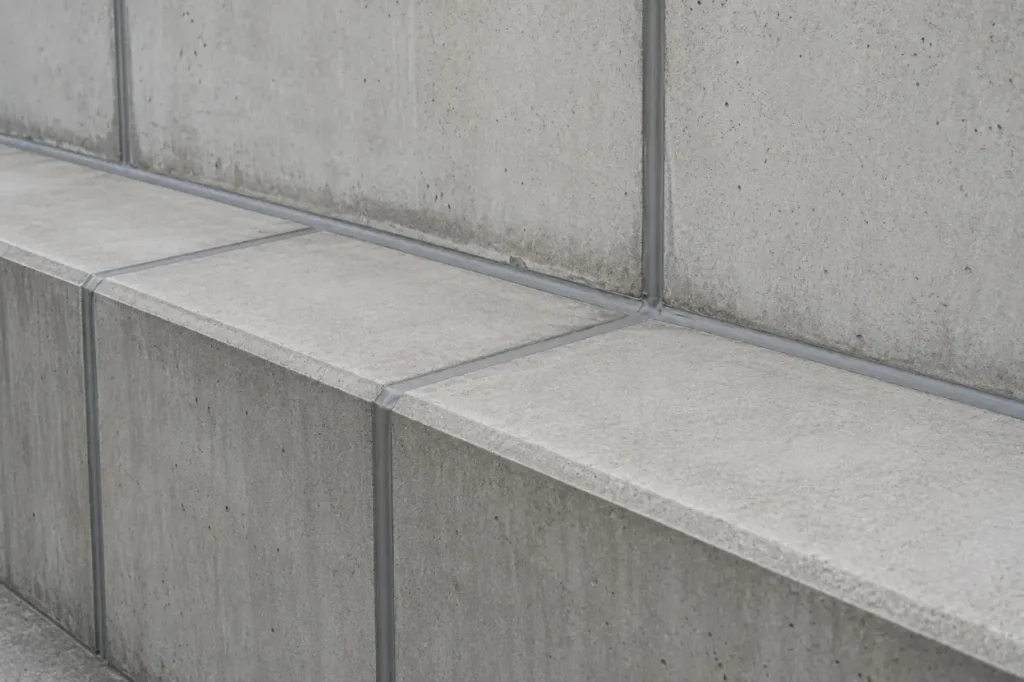
- Concrete and masonry joints
- Gaps around doors and windows
- Joints between compatible building materials
- Small openings and construction gaps
- Repair and maintenance work
- Areas where protection against moisture is required
- Selected expansion or movement joints, when the product is designed for such use
The joint condition, substrate, expected movement, and environmental exposure should always be considered before application.
Benefits of Polysulphide Sealant
Helps Control Water and Moisture
Sealing exposed joints can reduce the chance of water entering through gaps. This is particularly useful in areas exposed to rain, humidity, or occasional water contact.
Fills Gaps Effectively
Polysulphide Sealant can close unwanted openings between compatible surfaces and help prevent dust, air, and moisture from passing through.
Protects Vulnerable Joints
Polysulphide Sealant open joints can collect dirt and moisture. Proper sealing helps protect the joint edges and surrounding surfaces from these conditions.
Improves Appearance
A properly applied and tooled sealant creates a cleaner finish around joints, frames, openings, and repair areas.
Useful for Maintenance
Sealants can be used for many repair jobs without removing large sections of the surrounding construction, provided the existing substrate is sound.
How to Apply PS Sealant
Good surface preparation is essential for proper adhesion. A typical application involves these steps:
- Clean the joint: Remove dust, loose particles, grease, oil, and other contaminants.
- Check the joint: Make sure the joint is suitable for the selected sealant and has the recommended dimensions.
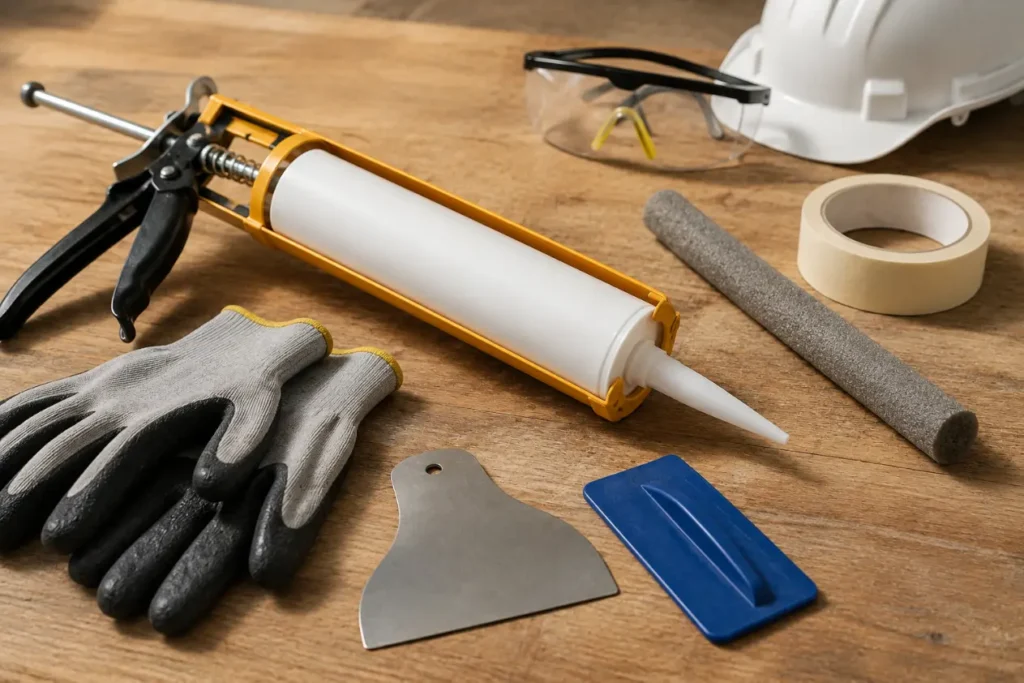
- Use backing material if needed: A compatible backer rod may be required for deeper joints.
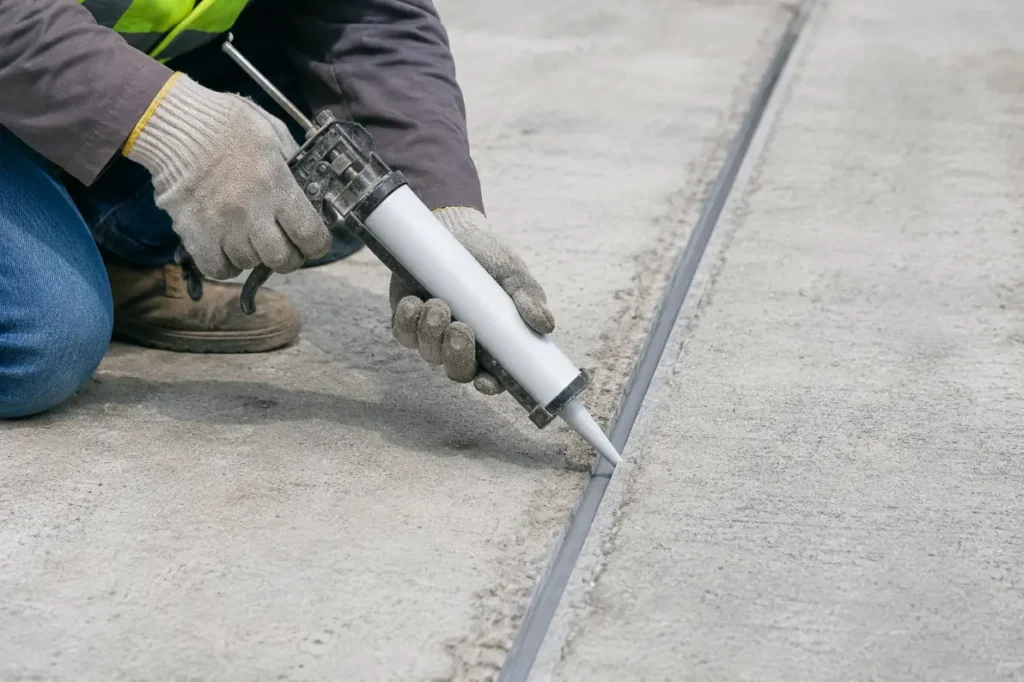
- Apply the sealant: Use the recommended gun or application equipment and fill the joint evenly.
- Tool the joint: Smooth the sealant to achieve proper contact with the joint sides and a neat finish.
- Allow curing: Keep the area undisturbed for the period recommended by the manufacturer.
Important Factors When Choosing PS Sealant
| Factor | Why It Matters |
|---|---|
| Surface type | The sealant must bond properly to the substrate |
| Joint movement | Moving joints require a product designed to accommodate movement |
| Moisture exposure | Outdoor and wet areas may need specific resistance properties |
| Joint size | Sealant depth and width affect performance |
| Temperature | Application and curing conditions can influence results |
| Surface preparation | Clean, sound surfaces improve adhesion |
| Product compatibility | Some substrates may require a primer or special preparation |
Common Application Mistakes
Even a suitable sealant can perform poorly when application is not done correctly. Avoid:
- Applying it to dirty or oily surfaces
- Using a product that is not compatible with the substrate
- Ignoring the recommended joint dimensions
- Applying too much or too little sealant
- Skipping primer when it is required
- Disturbing the joint during curing
- Using the product outside its recommended application conditions
Conclusion
PS sealant is a useful material for sealing joints, gaps, and openings in many construction and maintenance applications. Its performance depends on selecting the right product for the surface and joint, preparing the area properly, applying the correct amount, and allowing enough time for curing.
For a durable result, always follow the manufacturer’s application instructions rather than treating every joint in the same way. A properly selected and correctly applied sealant can help protect vulnerable joints and maintain the condition of the surrounding construction.
Also Read:PCE Admixture
Frequently Asked Questions
1. What is PS sealant used for?
PS sealant is used to fill and seal joints, gaps, and openings in construction and maintenance applications. Its suitability depends on the specific product and intended use.
2. Can Polysulphide Sealant be used on concrete?
Yes, a PS sealant can be used on concrete when the particular product is designed for concrete and is applied to a properly prepared surface.
3. Does PS sealant prevent water leakage?
It can help reduce water penetration through properly sealed joints. However, it should not be treated as a complete waterproofing system unless the product is specifically designed and approved for that purpose.
4. How long does PS sealant take to cure?
Curing time depends on the product, temperature, humidity, joint dimensions, and application conditions. The manufacturer’s technical data sheet should be followed.
5. Why does sealant lose adhesion?
Poor surface preparation, incompatible materials, incorrect joint design, excessive movement, moisture during application, or improper installation can cause adhesion problems.