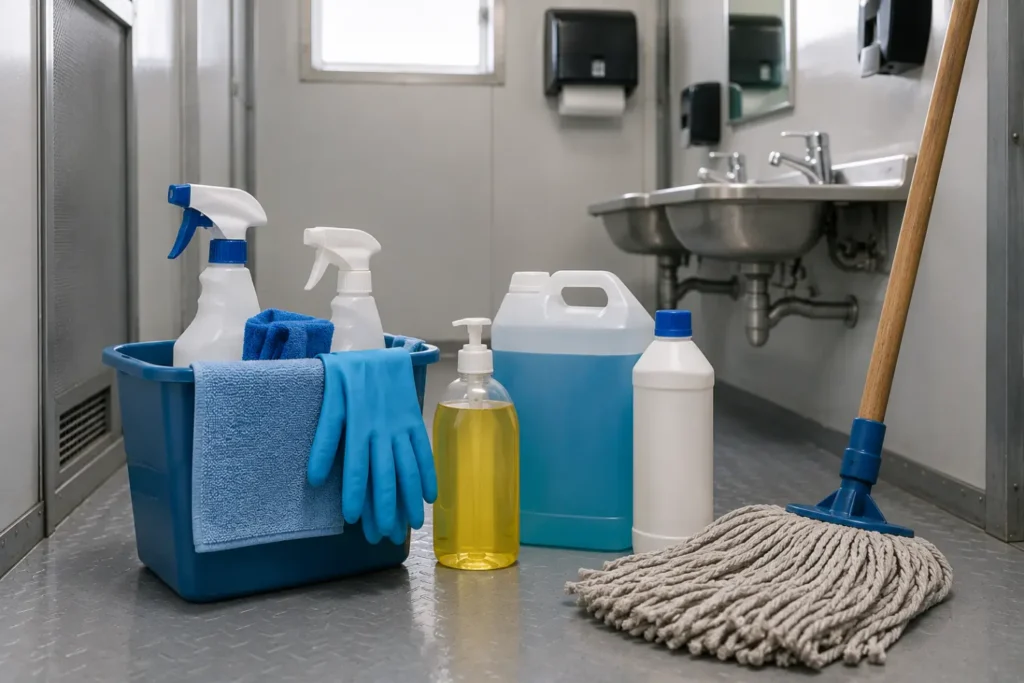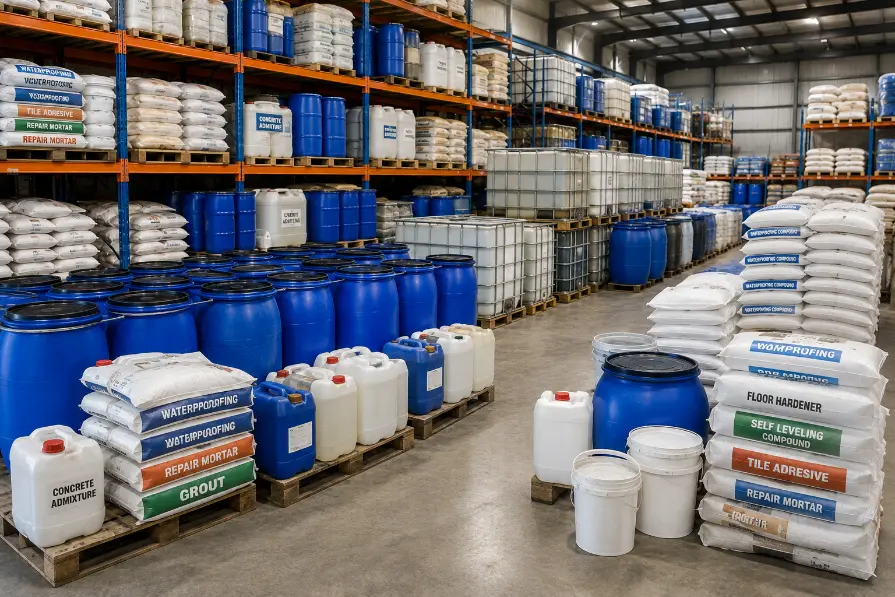

Construction sites are full of materials and products that help get the job done, but some of them can be harmful if they are not handled properly. Chemical Hazards on Construction Sites like Cement, paints, solvents, adhesives, fuels, waterproofing products, and welding fumes can expose workers to chemical hazards every day.
Key Takeaways
- Identify chemical risks before starting construction work.
- Use appropriate PPE when handling hazardous substances.
- Store and label chemicals correctly to prevent accidents.
- Train workers on safe handling, exposure, and spill response.
Unlike obvious physical dangers such as falling objects or moving machinery, chemical risks are not always easy to see. Some substances can cause immediate irritation, while repeated exposure may lead to more serious health problems. Knowing where these hazards come from and how to control them is an important part of construction safety.
What Are Chemical Hazards on Construction Sites?
A Chemical Hazards on Construction Sites is any substance that can potentially harm a worker through breathing, skin contact, eye contact, swallowing, or other forms of exposure.
The risk depends on the type of chemical, how much is used, how long a worker is exposed, and whether the work area has adequate ventilation and protective measures.
Also read :Chemical Application in Construction
Common examples include:
- Wet cement and concrete additives
- Paints, coatings, and thinners
- Adhesives and sealants
- Epoxy and resin products
- Waterproofing chemicals
- Fuels, oils, and lubricants
- Cleaning chemicals
- Welding and cutting fumes
- Gases used for construction activities
Common Type Chemical Hazards on Construction Sites
| Chemical hazard | Where it is commonly found | Possible risk |
| Wet cement | Concrete work | Skin irritation and chemical burns |
| Solvents and thinners | Painting and cleaning | Fumes, irritation, fire risk |
| Epoxy resins | Flooring and coatings | Skin irritation and sensitization |
| Adhesives | Flooring, roofing, insulation | Skin and respiratory irritation |
| Fuels and oils | Machinery and equipment | Skin exposure and fire hazards |
| Welding fumes | Welding and cutting | Respiratory irritation and exposure to fumes |
Cement and Concrete
Wet cement is highly alkaline and can irritate the skin. Workers handling concrete should avoid allowing wet cement to remain against their skin for extended periods.

Paints and Solvents
Paints, thinners, and solvents may release vapors that can cause headaches, dizziness, eye irritation, or breathing discomfort. The risk can be higher in enclosed areas with poor ventilation.
Adhesives and Epoxy Products
Adhesives, sealants, and epoxy materials are widely used for flooring, repairs, insulation, and coatings. Some can irritate the skin or trigger sensitivity after repeated exposure.
Welding Fumes
Welding and cutting can generate fumes and gases. The exact risk depends on the metal, coating, and welding process. Proper ventilation and suitable respiratory protection are important when exposure cannot otherwise be adequately controlled.

How Can Be Chemical Hazards on Construction Sites Controlled?
Chemical safety starts with understanding the material before using it. A few practical measures can make a significant difference:
- Read the Safety Data Sheet (SDS): Check the product’s hazards, storage requirements, first-aid information, and recommended PPE.
- Use suitable PPE: Depending on the task, workers may need gloves, safety goggles, protective clothing, face protection, or respiratory protection.
- Improve ventilation: Use natural or mechanical ventilation to prevent fumes and vapors from accumulating.
- Label containers properly: Never transfer a chemical into an unmarked container.
- Store chemicals safely: Keep products in suitable containers and separate incompatible substances where necessary.
- Train workers: Employees should understand the chemicals they use and know how to respond to spills or accidental exposure.
- Keep the work area clean: Close containers after use and deal with spills according to the site’s safety procedure.
What Should Workers Do After Chemical Exposure?
The correct response depends on the substance involved. Workers should follow the product’s SDS and the site’s emergency procedure. If a chemical gets into the eyes or onto the skin, immediate first aid may be necessary. Serious exposure, breathing difficulties, burns, or suspected poisoning require prompt medical attention.
Workers should never guess how to handle an unknown chemical or spill. The safest approach is to keep people away from the affected area and seek guidance from trained personnel.
Why Chemical Safety Matters?
Chemical Hazards on Construction Sites may not always attract the same attention as machinery or working at height, but they deserve equal consideration. A safe construction site needs more than protective equipment. It requires proper material handling, good ventilation, clear labeling, worker training, and regular safety checks.
By identifying chemical risks before work begins and using appropriate controls, construction companies can reduce unnecessary exposure and help protect workers throughout a project.
Also Read:Europe Construction Chemicals Market
Frequently Asked Questions
1. What are the common chemical hazards on construction sites?
Chemical Hazards on Construction Sites include wet cement, solvents, paints, adhesives, epoxy products, fuels, cleaning chemicals, and welding fumes.
2. Can cement cause chemical burns?
Yes. Wet cement is alkaline and prolonged contact can cause severe skin irritation or chemical burns.
3. What is an SDS in construction safety?
A Safety Data Sheet provides information about a chemical’s hazards, safe handling, storage, PPE, first aid, and emergency response.
4. Is PPE enough to protect workers from chemical hazards?
PPE is important for Chemical Hazards on Construction Sites, but it should not be the only safety measure. Ventilation, safe storage, proper handling, training, and safer material choices are also important.
5. How can workers reduce chemical exposure?
Workers can reduce exposure by following product instructions, using appropriate PPE, maintaining good ventilation, avoiding direct contact, keeping containers closed, and following workplace safety procedures.