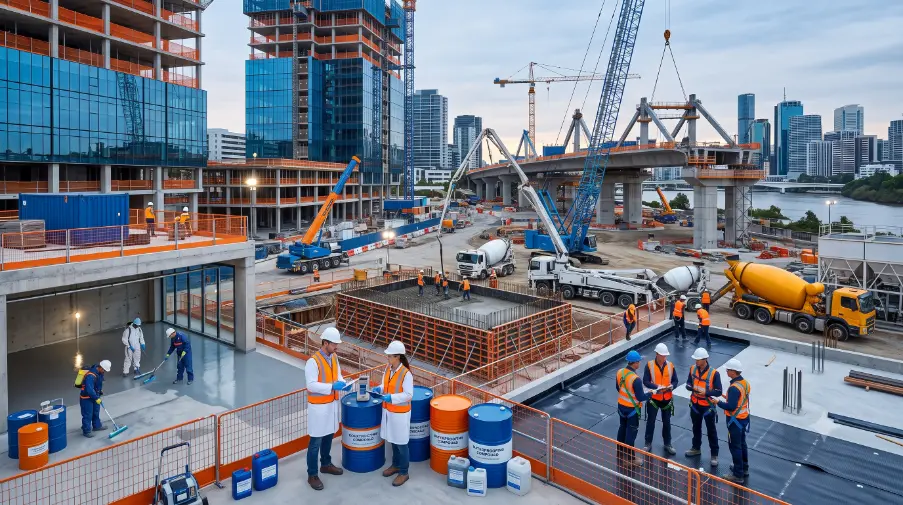
A strong building needs more than good concrete and careful workmanship. Water, moisture, corrosion, chemicals, heavy traffic, and everyday wear can gradually affect a structure. This is where chemical application in construction becomes useful.
Key Takeaways
- Construction chemicals help protect and repair structures.
- Proper surface preparation improves application results.
- Product selection should match site conditions and exposure.
- Correct application supports long-term durability.
Construction chemicals are used at different stages of a project to protect surfaces, improve concrete performance, seal joints, prevent leakage, and repair damaged areas. They are found in residential buildings as well as factories, bridges, warehouses, water tanks, roads, and other infrastructure.
The right choice depends on the material, site conditions, type of exposure, and purpose of the application.
Also Read:Construction Chemicals Waterproofing
What Does Chemical Application Mean in Construction?
Chemical Application in Construction refers to the use of specially developed materials on construction surfaces or as part of a construction mix.
Depending on the product, construction chemicals can help with:
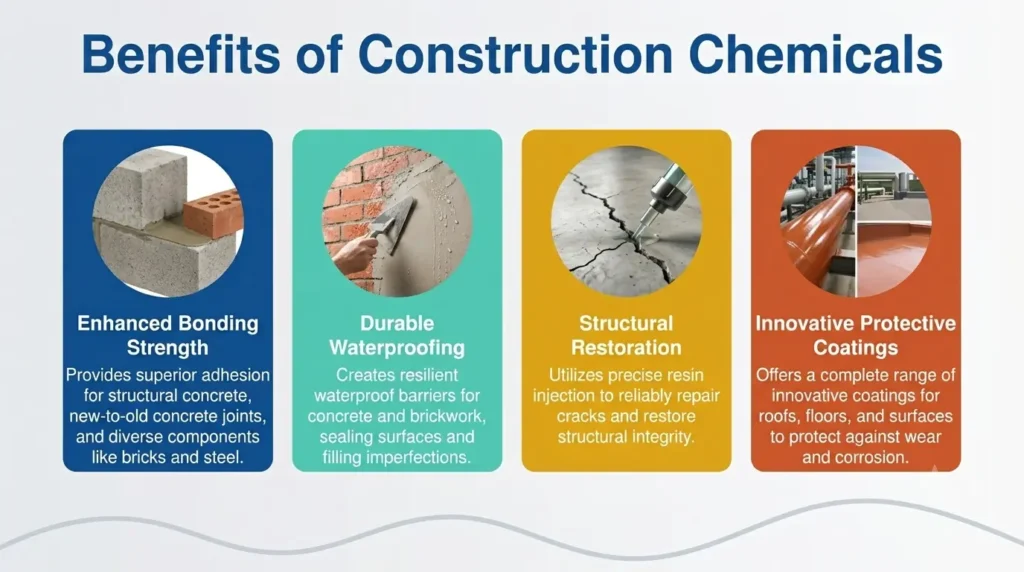
- Waterproofing roofs, walls, foundations, and basements
- Improving the handling and performance of concrete
- Repairing cracks and damaged concrete
- Protecting steel surfaces against rust
- Sealing joints and gaps
- Protecting floors from abrasion and chemical exposure
- Improving the bond between different construction materials
Types of Chemical Application in Construction and Their Uses
The chemical selected for a project should match the job rather than being chosen simply because it is widely used.
| Chemical | Typical Application | Why It Is Used |
| Waterproofing compounds | Roofs, basements, foundations | Helps control water and moisture |
| Concrete admixtures | Fresh concrete | Changes selected concrete properties |
| Epoxy systems | Industrial floors and concrete | Provides a hard, protective surface |
| PU systems | Floors and exposed surfaces | Offers flexible surface protection |
| Sealants | Joints and openings | Helps prevent water and air entry |
| Repair mortars | Damaged concrete | Restores affected areas |
| Grouting materials | Equipment bases and structures | Fills voids and provides support |
| Anti-corrosion coatings | Steel and metal surfaces | Helps protect against rust |
Where Are Construction Chemicals Used?
Waterproofing Work
Water can cause dampness, stains, cracks, leakage, and concrete damage over time. Waterproofing chemicals help protect moisture-prone areas such as:
· Terraces and roofs
· Bathrooms and wet areas
· Basements and foundations
· Water tanks
· Concrete walls
Before application, surfaces should be cleaned and repaired properly. Removing dust, loose concrete, and existing defects helps the waterproofing system adhere better and perform effectively.
Concrete Mixing and Construction
Concrete admixtures are added to a concrete mix when a particular property needs to be modified. Depending on the formulation, they can help with workability, setting characteristics, water reduction, or durability.
The correct dosage is important. Admixtures should be used according to the manufacturer’s technical recommendations and the requirements of the concrete mix.
Concrete Repair and Restoration
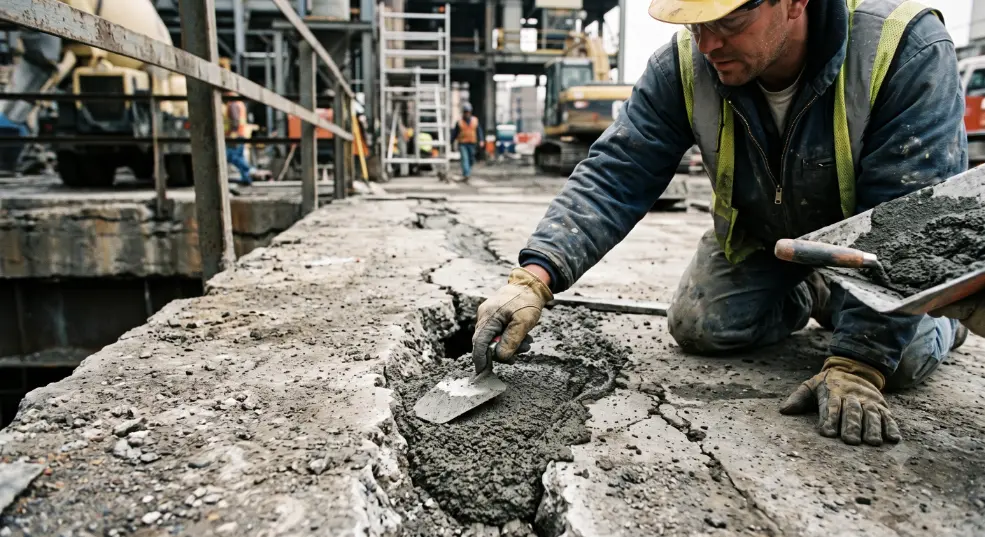
Concrete surfaces may develop cracks, holes, broken edges, or other forms of deterioration over time. Repair chemicals can help restore suitable damaged areas and improve the bond between old and new materials.
Common solutions for Chemical Application in Construction include:
- Epoxy-based repair materials
- Polymer-modified mortars
- Bonding agents
- Crack injection systems
- Cementitious repair compounds
Before starting repairs, it is important to understand why the damage occurred. Treating only the visible crack may not solve an underlying structural or moisture-related problem.
Industrial and Commercial Flooring
Floors in factories, workshops, warehouses, and parking areas are exposed to constant movement and heavy use. Some may also come into contact with oils, cleaning agents, or industrial chemicals.
Epoxy and polyurethane flooring systems can provide a protective finish suited to these conditions. The selected system should be based on the expected traffic and exposure.
Protection Against Corrosion
Steel can deteriorate when it remains exposed to moisture, salts, or corrosive substances. Anti-corrosion coatings provide a protective layer that can reduce direct exposure.
Good surface preparation is essential. Rust, grease, dust, and loose particles should be removed before the coating is applied.
How Should Construction Chemicals Be Applied?
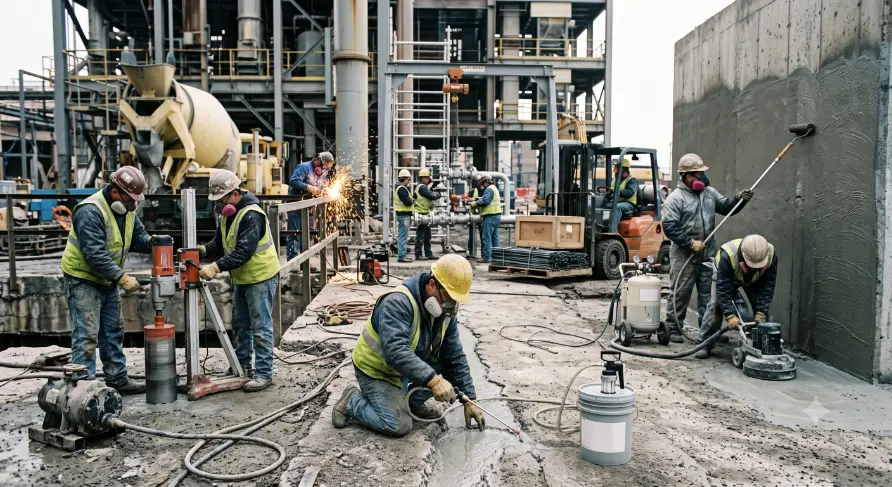
Correct application on Chemical Application in Construction can make a significant difference to the final performance of a chemical system.
A typical process includes:
- Examine the surface: Check for cracks, moisture, contamination, rust, or weak areas.
- Prepare the substrate: Clean and repair the surface as required.
- Choose the appropriate material: Consider the substrate, exposure, and intended use.
- Mix according to instructions: Maintain the recommended proportions and mixing time.
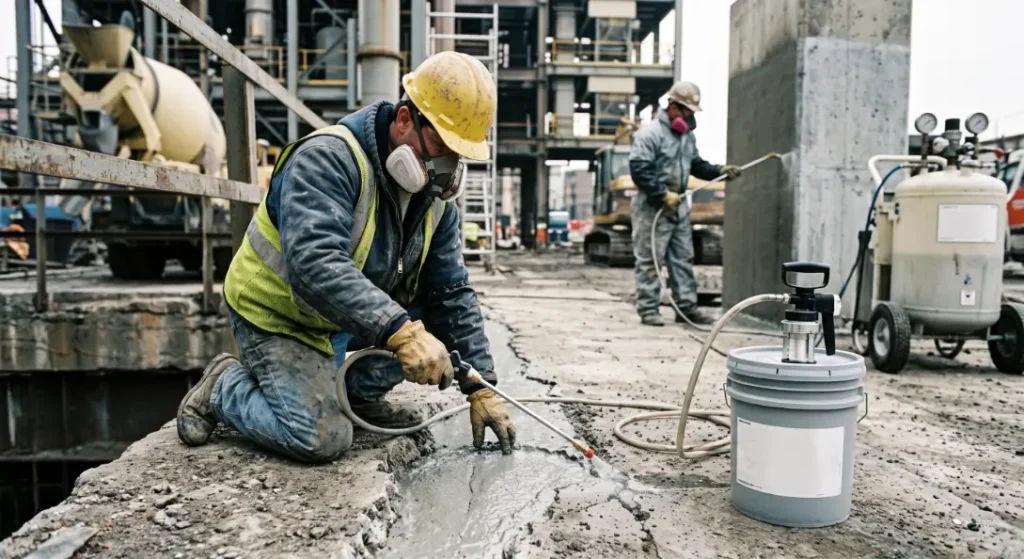
- Apply the material: Use the specified roller, brush, spray, trowel, injection equipment, or other method.
- Allow sufficient curing: Avoid premature loading or exposure.
- Inspect the finished application: Check for gaps, uneven coverage, defects, or other visible problems.
Factors to Consider Before Choosing a Product For Chemical Application in Construction
Before purchasing or applying a construction chemical, consider:
- Type of substrate
- Existing surface condition
- Moisture exposure
- Temperature and weather conditions
- Expected load and traffic
- Chemical exposure
- Required coating thickness
- Application method
- Drying or curing requirements
- Manufacturer’s technical instructions
Benefits of Using Chemical Application in Construction
When the appropriate product is used correctly, construction chemicals can provide several practical advantages:
- Better protection against moisture
- Improved surface durability
- Reduced risk of premature deterioration
- More effective concrete repair
- Protection against corrosion
- Longer-lasting floor finishes
- Better performance under demanding conditions
- Reduced frequency of certain maintenance work
Final Thoughts
Chemical application in construction is not simply about putting a coating or compound on a surface. It involves understanding the problem, selecting a compatible material, preparing the substrate, and following the correct application procedure.
A waterproofing system will not perform well if the surface is poorly prepared. Similarly, a protective coating cannot compensate for untreated corrosion or an unresolved structural problem. Good results come from combining the right product with proper workmanship and suitable site conditions.
Also Read: Chemical Resistant Construction
Frequently Asked Questions
1.What are some common Chemical Application in Construction ?
Waterproofing, concrete admixture use, floor coating, concrete repair, joint sealing, grouting, and corrosion protection are common applications.
2. Are Chemical Application in Construction used in concrete ?
Yes. Admixtures can be added to concrete to modify properties such as workability, setting behavior, water demand, and durability.
3. Can construction chemicals stop water leakage?
Suitable waterproofing products can help control water penetration, but the source of leakage and condition of the substrate should be assessed before treatment
4. How can I select the right chemical application in construction ?
Start by identifying the substrate, problem, environmental exposure, and required performance. Then select a compatible product based on its technical specifications and recommended use.