
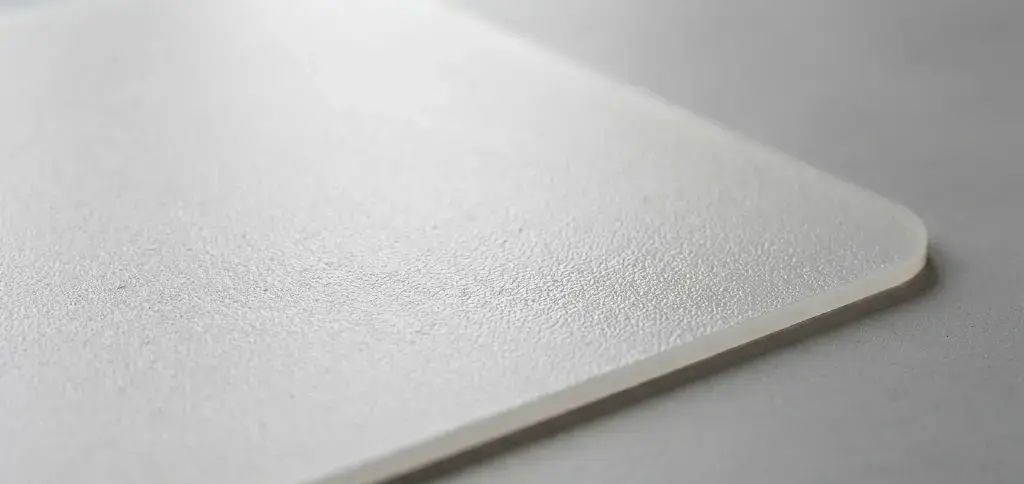
Advantages of silicone materials refer to the unique performance characteristics of silicone-based polymers that enable durability, flexibility, and resistance under extreme conditions. Silicone is widely used due to its stable molecular structure and compliance with global safety standards. Why is silicone preferred over many conventional materials in critical applications?
Key Takeaways
- Silicone materials provide exceptional thermal and chemical resistance
- Widely used in regulated industries like healthcare and food processing
- Maintain flexibility and performance under extreme conditions
- Offer superior durability compared to traditional materials
- Limitations include cost and bonding complexity
What are the key advantages of silicone materials in industrial use?
The advantages of silicone materials include performance reliability across demanding environments.
Core benefits:
- Thermal stability: Operates between -60°C to 230°C (continuous use)
- Chemical resistance: Withstands oils, solvents, and moisture
- Flexibility: Maintains elasticity under stress and temperature variation
- UV and weather resistance: Suitable for outdoor applications
- Electrical insulation: High dielectric strength
Example: Silicone gaskets in automotive engines maintain sealing performance under high heat and pressure.
How do advantages of silicone materials support regulatory compliance?
Advantages of silicone materials align with strict regulatory frameworks across industries.
Compliance standards:
- FDA (Food & Drug Administration): Food-grade silicone for safe contact
- USP Class VI: Biocompatibility for medical devices
- RoHS & REACH: Environmental safety compliance
Applications:
- Medical tubing and implants
- Food processing seals and molds
These characteristics ensure safe usage in sensitive environments without contamination risks.
Why are advantages of silicone materials critical in extreme environments?
Advantages of silicone materials ensure performance in harsh operating conditions.
| Property | Silicone Performance | Industry Use |
| Heat resistance | Up to 230°C | Automotive, aerospace |
| Cold flexibility | Down to -60°C | Outdoor sealing |
| Moisture resistance | Non-absorbent | Marine, electronics |
| Oxidation resistance | Long lifespan | Industrial machinery |
Example: Silicone insulation in electrical cables prevents degradation under high temperatures.
How do advantages of silicone materials compare with other materials?
Advantages of silicone materials outperform many conventional polymers.
Comparison:
| Feature | Silicone | Rubber | Plastic |
| Heat resistance | High | Moderate | Low |
| Flexibility | Excellent | Good | Limited |
| Longevity | High | Medium | Low |
| Chemical resistance | Strong | Moderate | Variable |
Silicone’s inorganic backbone (Si-O bonds) provides superior stability compared to carbon-based materials.
What are common applications demonstrating advantages of silicone materials?
Advantages of silicone materials are evident across multiple industries.
Key applications:
- Healthcare: Catheters, implants, prosthetics
- Electronics: Insulators, coatings, sealants
- Food industry: Baking molds, conveyor belts
- Construction: Sealants, adhesives
A silicone material product is often discussed alongside silicone rubber sheets, silicone tubing, and silicone sealants used in manufacturing and engineering systems.
Are advantages of silicone materials beneficial for health and safety?
Advantages of silicone materials include non-toxicity and biocompatibility.
Health-related benefits:
- Hypoallergenic and skin-safe
- Non-reactive with food and chemicals
- Resistant to microbial growth
Example: Medical-grade silicone is used in implants due to its inert nature and long-term stability.
What are the limitations despite advantages of silicone materials?
While advantages of silicone materials are significant, certain limitations exist:
- Higher cost compared to conventional rubber
- Lower tensile strength than some elastomers
- Difficult bonding without surface treatment
These factors are considered during material selection in engineering design.

Conclusion
The advantages of silicone materials make them a preferred choice for applications requiring durability, safety, and environmental resistance. Their classification based on grade and application ensures precise material selection. For deeper technical understanding, exploring properties of silicone rubber provides essential context for performance evaluation and material optimization.
FAQ
What are the advantages of silicone material?
Silicone offers thermal stability, flexibility, chemical resistance, and long-term durability across diverse environments.
What are the disadvantages of silicone?
Silicone can be more expensive, has lower tear strength, and may require special bonding techniques.
What are the benefits of silicone?
Benefits include non-toxicity, weather resistance, electrical insulation, and suitability for medical and food applications.
Is silicone material good for health?
Yes, medical- and food-grade silicone is non-toxic, biocompatible, and safe for human use.
What is silicone used for?
Silicone is used in healthcare devices, electrical insulation, automotive components, sealants, and food-grade products.
Sources
https://www.simtec-silicone.com/blogs/how-is-silicone-produced/
https://silicone.co.uk/our-materials/
https://www.fictiv.com/articles/silicone-uses-and-benefits
https://www.xometry.com/resources/materials/properties-of-silicone/
https://kesaria.com/advantages-disadvantages-of-silicone-rubber/?srsltid=AfmBOoombl2eZGQfIsKIC3_MFiumx23Of62CuSw1n0xgFBkT6W0e4-3a
https://globalsilicones.org/explore-silicones/benefits-uses/
https://www.martins-rubber.co.uk/blog/advantages-disadvantages-silicone-rubber-explained/
https://jehbco.com.au/advantages-silicone-products/
https://www.rogerscorp.com/blog/2024/top-7-unique-silicone-advantages-you-cant-ignore