Silicone Sealants for Construction: Building a Stronger Seal
Silicone sealants are essential flexible barriers in modern construction, offering long-lasting protection against moisture, air leaks, and harsh weather conditions. Buildings have many joints, connections, spaces, and interfaces. These spaces might seem minor, but their performance in terms of resistance to moisture, air, changes in temperature, and movement can have a great effect on the overall performance of a structure. This is where the importance of construction sealants comes into play.
Sealants are applied in various structures, including windows and facades, expansion joints, and glazing systems, among others. While the other materials might break or become rigid due to exposure to any form of movement, cured silicone sealants can be elastic and able to accommodate movement in a certain degree. Silicone sealants are also appreciated because of their moisture resistance, UV, and weather resistance properties.
This means that for builders, manufacturers, and construction material suppliers, it is not only a matter of filling gaps but of applying a material that will be able to withstand the conditions that the building might undergo.
What Is Silicone Sealant?
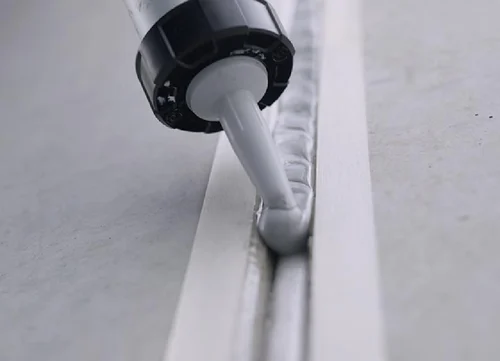
Silicone sealant is a form of sealing compound made from polymer materials, which once set, forms a flexible rubber membrane. The basic function of silicone sealants is to form a seal between surfaces or joints to prevent the ingress of water, air, dust, and other environmental elements.
Upon setting, silicone sealant remains flexible, as opposed to being totally rigid. This property allows it to serve its purpose where there are some movements expected in the building materials being joined.
Key Properties of Silicone Adhesive
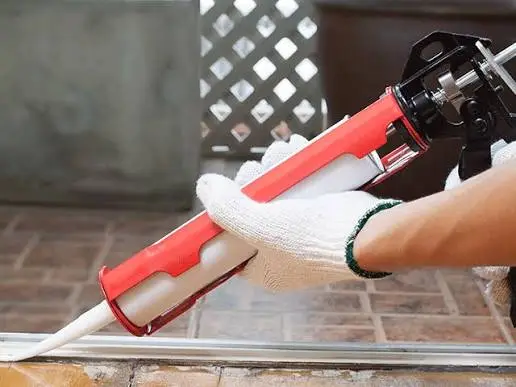
Some of the main properties of Acetoxy Silicone are as follows:
| Property | Importance in Construction |
| Flexibility | Helps accommodate movement between compatible building components. |
| Moisture Resistance | Helps create a barrier against water infiltration at suitable joints and interfaces. |
| UV Resistance | Supports durability in applications exposed to prolonged sunlight. |
| Weather Resistance | Helps the seal remain functional under changing outdoor conditions. |
| Temperature Resistance | Suitable formulations can maintain performance across demanding temperature conditions. |
| Adhesion | Allows the sealant to bond to compatible substrates such as glass, metal, ceramics, and selected construction materials. |
| Long-Term Elasticity | Helps the cured seal remain flexible rather than becoming excessively brittle. |
Applications of Silicone Sealants in Construction
Silicone sealants find widespread application in the building and architectural industry.
1. Windows and Doors
Windows and doors have interfaces through which moisture and air can seep into the building structure. Silicone sealants can be applied to suitable window frames and glazing to make the seal waterproof.
2. Glass and Glazing
Building facades made of glass and architectural glazing require a sealant system that can cope with environmental stresses and movement. Silicones are extensively used in glazing for their durability and weather resistance.
3. Curtain Wall Systems
Commercial buildings nowadays use curtain wall systems composed of glass, aluminium, and other materials. Sealants can protect joints and interfaces from moisture and air leakage.
4. Expansion and Movement Joints
Temperature fluctuations result in thermal expansion and contraction of building structures. An appropriate sealant joint can provide room for movement.
5. Façades
Facade surfaces are constantly exposed to water, sunlight, humidity, and changes in temperature. Silicone-weathersealing compounds can create another protective layer for façade seams which suit this treatment.
6. Wet Areas within Buildings
Some types of silicone compounds are also used around wet surfaces like bathrooms, kitchen surfaces, and sanitary installations. However, for sanitary installation sealing, special silicone compounds need to be used.
Benefits of Silicone Adhesive for Construction
| Benefit | Value for Construction Projects |
| Durable Sealing | Helps protect joints and interfaces over extended periods when the correct product is properly installed. |
| Flexible Performance | Can accommodate movement that may occur between compatible materials. |
| Water Resistance | Helps reduce the possibility of moisture entering through appropriately sealed joints. |
| Exterior Suitability | Resistance to UV exposure and weathering makes many silicone systems suitable for outdoor applications. |
| Versatile Applications | Can be used in glazing, façades, windows, joints, and other suitable construction applications. |
| Reduced Maintenance Potential | A durable sealing system can help reduce premature joint deterioration when correctly specified and maintained. |
The actual service life and performance depend on product selection, joint design, substrate preparation, environmental exposure, and installation quality.
Conclusion
Sealants made from silicone used in construction become vital when it comes to ensuring protection of joints and interfaces from the effects of the environment as well as accommodating the natural movement of these constructions. Flexibility, water resistance, and compatibility with various construction purposes, including glazing, façades, windows, and movement joints, make these sealants quite useful in the construction industry.
Nevertheless, good performance requires proper choice of sealant based on substrate and application needs, correct surface preparation, correct joint design, and right installation and curing methods.
When it comes to selecting silicone sealants in construction, manufacturers and suppliers who want to have a reliable solution would benefit from correct product selection.
Looking for silicone sealants for your construction requirements? Explore the range from Biopol Chemicals and connect with the team to discuss a suitable solution for your application.
FAQs
1. Are silicone sealants able to allow for movement in construction joints?
Yes. Appropriate silicone sealants remain elastic even after curing and are able to allow for some amount of movement due to variables such as thermal expansion, contraction, and vibrations. The amount of movement allowed will depend on the particular product.
2. On what surfaces can silicone sealants be applied?
Depending on the composition, silicone sealants can bond with such substrates as glass, aluminium, concrete, masonry, ceramics, and certain types of plastic. Substrate compatibility should always be confirmed first.
3. How can construction companies prevent silicone sealant failures?
Proper surface preparation, sealant selection, joint design, application, and curing are important. Surfaces should normally be clean and dry, and primer should be applied where indicated by the manufacturer.
4. How can I select the correct silicone sealant for my construction project?
A number of considerations have to be made, including the type of substrate, joint movement, whether it is an internal or external job, moisture, UV light exposure, temperature, and adhesive properties. Construction companies should also consult the manufacturer’s technical information.
Also Read