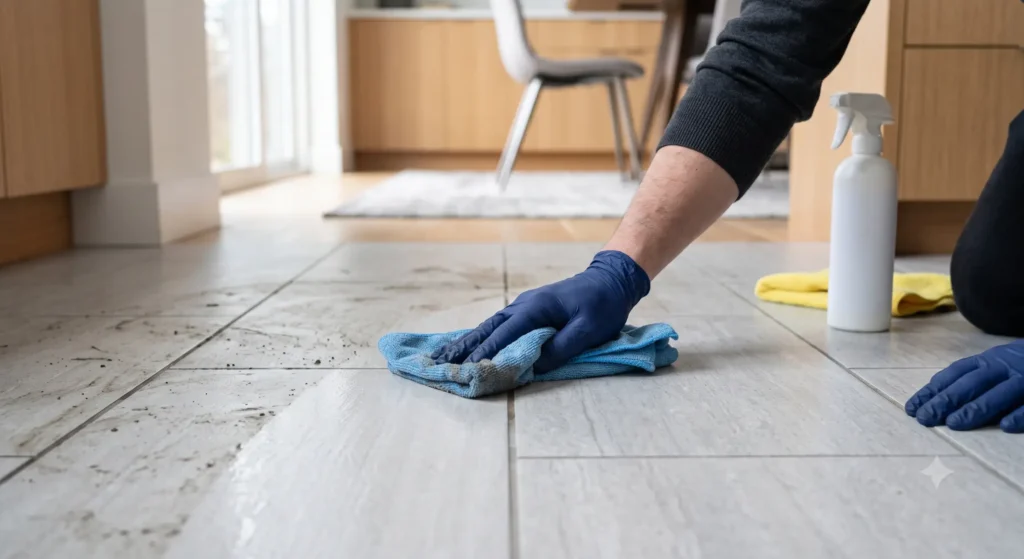
Tiles are popular in homes, offices, kitchens, bathrooms, hotels, and commercial spaces because they are durable and relatively easy to maintain. However, regular sweeping and mopping may not be enough to remove stubborn stains, soap residue, grease, dirt, and buildup from tile surfaces. This is where a good tile cleaner can make a noticeable difference.
Key Takeaways
- Choose a tile cleaner based on the tile material.
- Match the cleaner to the type of stain or dirt.
- Always follow the product’s usage instructions.
- Test cleaners on a small area before full application.
The right tile cleaner helps remove everyday dirt while keeping the surface looking clean and well maintained. However, choosing a cleaner based on the type of tile and the kind of stain is important. Using an unsuitable product can sometimes damage the finish or grout.
Also Read: Fast Setting Concrete Admixture
What Is a Tile Cleaner?
A tile cleaner is a cleaning product designed to remove dirt, stains, grease, mineral deposits, soap scum, and other unwanted buildup from tile surfaces. Different formulations are available for ceramic, porcelain, natural stone, and other tile materials.
Some cleaners are designed for everyday cleaning, while others are made for specific problems such as hard-water marks, grease, or deep stains.
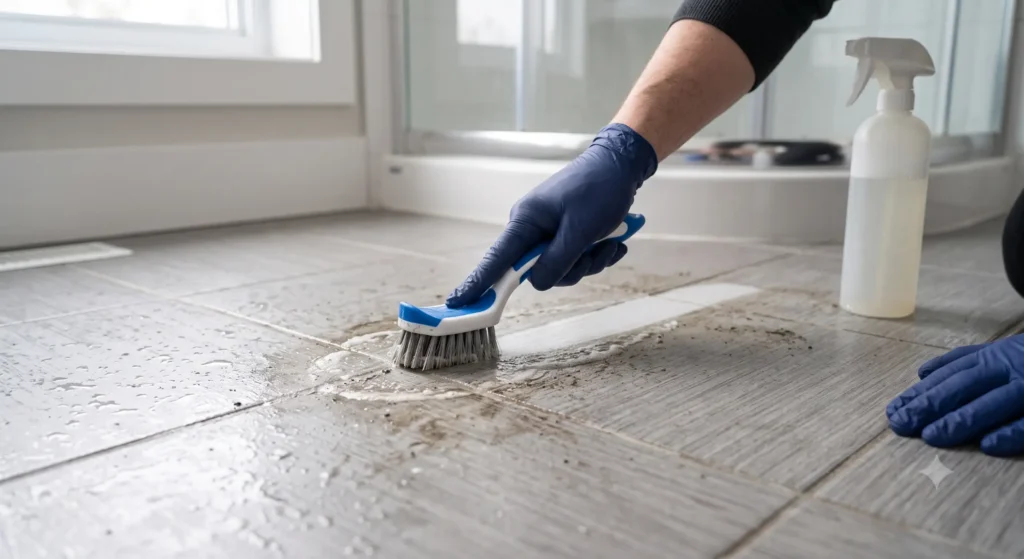
Benefits of Using a Tile Cleaner
Using an appropriate tile cleaner offers several practical benefits:
- Removes stubborn dirt: Helps tackle dirt and grime that ordinary water may not remove.
- Reduces stains: Specialized formulas can help clean common food, grease, soap, and mineral stains.
- Improves appearance: Clean tiles can look brighter and more attractive.
- Cleans grout: Some products can also help remove dirt and discoloration from grout lines.
- Saves cleaning effort: A suitable cleaner can make difficult cleaning tasks easier.
Where Can Tile Cleaner Be Used?
Tile cleaners are commonly used in different areas depending on their formulation.
| Area | Common Cleaning Problems |
| Bathroom | Soap scum, water marks, mildew and general dirt |
| Kitchen | Grease, food spills and stains |
| Floors | Dust, mud, grime and everyday stains |
| Walls | Dust, splashes and surface buildup |
| Commercial spaces | Heavy foot traffic, dirt and stains |
| Outdoor tiles | Mud, dust, algae and weather-related buildup |
Always check the product label before applying a cleaner to a particular surface.
Also Read:Global Construction Chemicals Market
How to Choose the Right Tile Cleaner
Not every tile cleaner is suitable for every surface. Consider these factors before choosing one:
1. Identify the Tile Material
Ceramic and porcelain tiles generally tolerate many common cleaning products. Natural stone, such as marble or limestone, can be more sensitive and may require a specially formulated cleaner.
2. Consider the Type of Dirt
Think about what you are trying to remove. A mild cleaner may be sufficient for everyday dust, while grease, mineral deposits, or heavy stains may require a more targeted formula.
3. Check the Grout Compatibility
Grout can react differently to cleaning chemicals than the tile itself. If the product will be used on both tile and grout, confirm that it is suitable for both.
4. Follow the Instructions
Using more cleaner than recommended does not necessarily produce better results. Follow the manufacturer’s directions regarding dilution, application time, scrubbing, and rinsing.
Tips for Better Tile Cleaning
For consistent results:
- Remove dust and loose dirt before applying the cleaner.
- Test it on a hidden spot first.
- Use the recommended amount, not too much.
- Let it sit for the suggested time.
- Use a suitable brush or cloth for tough dirt.
- Rinse the surface if required.
- Never mix different cleaning chemicals.
- Keep the area well ventilated while cleaning.
Frequently Asked Questions
1. What tile cleaner is best for everyday use?
A gentle tile cleaner is generally a good choice for daily or regular cleaning. It helps remove common dirt and marks while being less likely to affect the surface.
2. Does tile cleaner work on stubborn stains?
Yes. Certain formulas are made to tackle grease, soap buildup, hard-water marks, and other difficult stains.
3. Can I use tile cleaner on bathroom tiles?
- Yes, many tile cleaners are suitable for bathroom surfaces and can help remove soap residue and water stains. Always check the label, especially when cleaning natural stone.
4. Can tile cleaner be used on grout?
Some cleaners are safe for grout, while others may not be. Check the product directions before use, particularly when the grout is worn or damaged.
5. What is the safe way to use tile cleaner?
Remove loose dirt, apply the recommended amount, and follow the suggested contact time. Never mix cleaning products and keep the room properly ventilated.