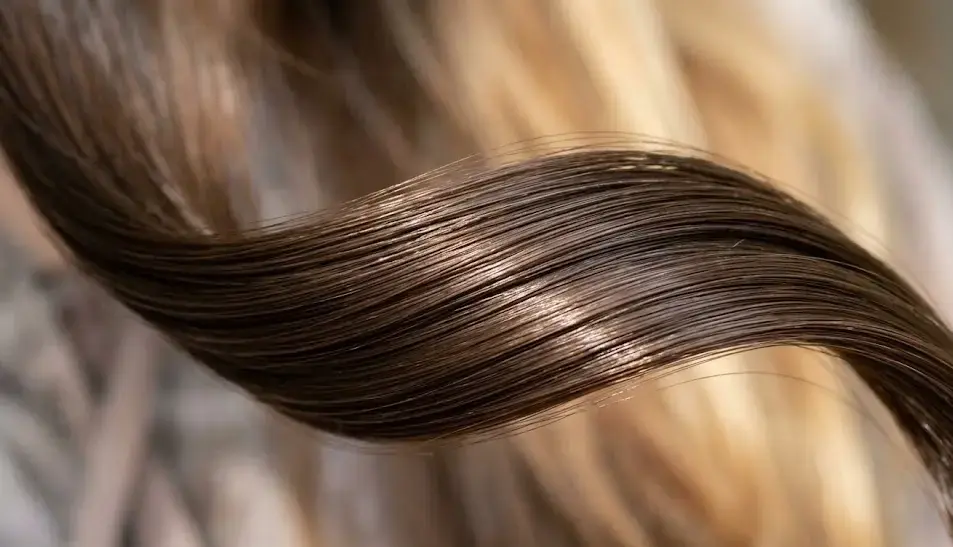
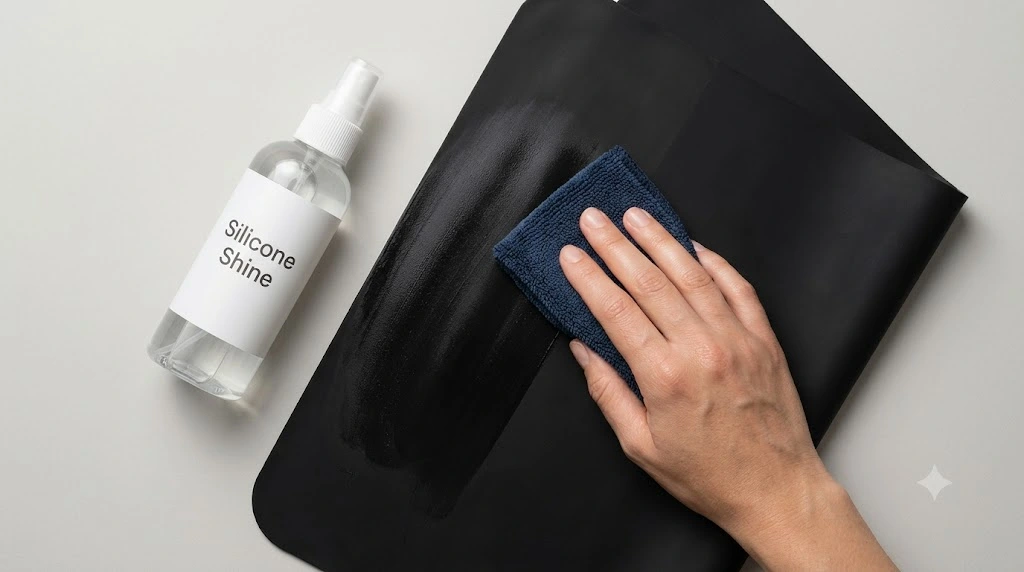
Silicone shine is the smooth, glossy look you get when a thin silicone film coats a surface. You notice it on sleek hair, polished trim, bike frames, treated fabric and moulded silicone items. It looks impressive, but it is not right for every job.
Used well, it protects and brightens. Used carelessly, it can leave hair heavy, floors slippery or a paint job ruined. This guide explains how it works, where it helps, where it backfires and how to get the best result.
Key Takeaways
- A thin, water-repelling film is what creates silicone shine.
- The film that smooths hair can also build up over time.
- A clarifying shampoo clears most hair buildup.
- Spray-on silicone helps bikes, trim and rubber shed dirt and water.
- Keep silicone off brakes, pedals, steering wheels and surfaces you plan to paint.
- Water-based dressings look satin, while silicone gives a deeper gloss.
- Glossy silicone shows scratches and dust faster than matte silicone.
- Common cosmetic silicones are rated safe at normal use levels.
How Silicone Shine Works
Silicones are synthetic polymers built on a backbone of silicon and oxygen. In liquid form they spread easily and settle into a very thin, even layer. That layer fills tiny dips and rough spots, so light bounces back evenly. Your eye reads that even reflection as shine.
The film also repels water, dust and oil. Silicone oils mix poorly with water and most other substances, which is why mud and moisture tend to slide off a treated surface.
Not every silicone behaves the same way. Light, volatile types evaporate and leave little behind. Heavier ones stay put and stack up with repeated use. Knowing which type you are using makes a big difference later.
Silicone Shine in Hair Care
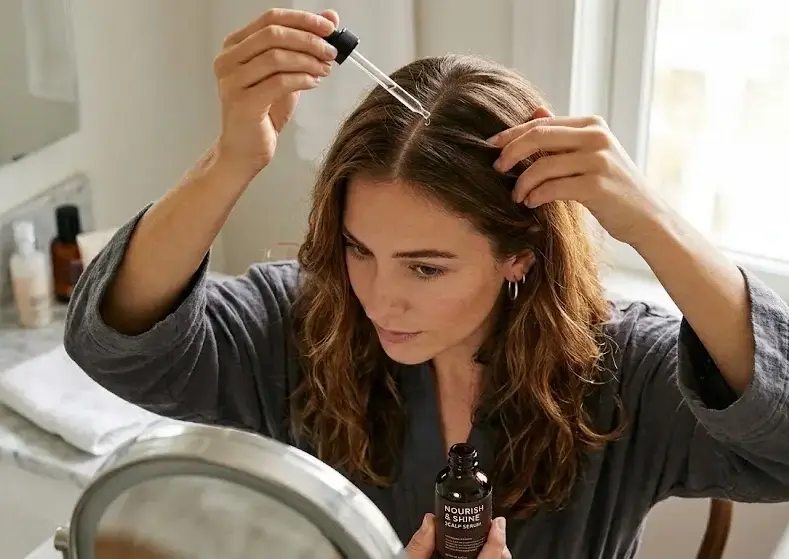
Hair products rely on silicones such as dimethicone and cyclopentasiloxane to coat each strand. The coating smooths the outer cuticle, cuts frizz and makes combing easier. It also adds a light barrier against heat from styling tools.
The catch is buildup. Heavier silicones do not rinse away easily, so layers can pile up over weeks. Hair may feel weighed down, greasy near the roots or oddly dry underneath, because the coating can block moisture from getting in.
Watch for these signs:
- Hair looks dull instead of glossy.
- Styles fall flat within hours.
- Conditioners and masks seem to stop working.
- Your scalp feels coated soon after washing.
Water-soluble silicones, which often have names starting with PEG or PPG, wash out more easily. Fine hair usually copes best with lighter formulas, while thick or coarse hair can often handle richer ones. If you would rather skip silicones, silicone-free conditioners and lightweight oils give some smoothness without the coating.
Using Silicone Spray on Bikes, Cars and Home Surfaces
Silicone sprays are popular for good reason. On a bike, a light coat on the frame helps mud slide off, which makes cleaning quicker. On fork stanchions, the slick film reduces friction at the wiper seals, so the suspension moves more smoothly. Silicone is also gentle on rubber and plastic, which is why it revives faded trim and door seals.
The same film resists moisture, so it adds some protection against rust on metal parts. If you are choosing something for moving parts, our guide to silicone-based lubricants explains how the options differ.
Know where not to spray:
- Brake discs, pads and rims, because any film cuts stopping power.
- Pedals, steering wheels, floors and seats, because slippery surfaces are a safety risk.
- Tyre treads, for the same grip reason.
- Anything you plan to paint, glue or seal.
That last point matters more than most people expect. Even a trace of stray silicone can make fresh paint bead up and form small craters. Silicone paint is a separate product made for coatings, but overspray from silicone sprays on a surface you plan to repaint is a classic cause of paint failure.
Car Tyres, Trim and Motorbikes: Silicone vs Water-Based Dressings
Car and bike owners mostly reach for silicone-based dressings to get a wet, showroom look on tyres, bumpers and plastic trim. These products give a deep gloss and repel water well. The trade-off is that a very glossy finish can attract dust, and a heavy coat may fling onto paintwork as sling.
Water-based dressings usually look more satin and wipe off easily, but they may need reapplying sooner. Some products in both groups add UV inhibitors to slow fading and drying out. Treat that as a product claim and check the label rather than assuming it.
On a motorbike, the same rules apply to painted panels, plastic and rubber. Keep any dressing off the seat, footpegs, levers and tyre treads, since slippery spots are dangerous there.
Silicone vs Wax, Ceramic Coating and Water-Based Dressing
Silicone is not the only way to get a glossy look. This quick comparison shows how the main options differ:
| Option | Look | Durability | Effort |
| Silicone spray | High gloss, slick feel | Days to weeks | Quick spray and buff |
| Water-based dressing | Satin to medium gloss | Short to moderate | Easy cleanup |
| Wax | Warm, soft gloss | Weeks | Takes longer to apply |
| Ceramic coating | Hard, deep gloss | Months or longer | Careful prep, higher cost |
Silicone Finish on Fabrics
Textile makers apply a silicone finish to make cotton and blended fabrics feel soft and silky. Depending on the silicone type, the finish can also improve stitching, stretch recovery, wrinkle resistance and water repellence.
Factories handle it carefully. They dilute the emulsion in clean, soft water, keep the bath mildly acidic and wash machinery between batches, because silicone can dry into a sticky residue.
At home, the effect is simpler. A fabric with a silicone finish feels smoother and sheds water better, but the effect can fade gradually with repeated washing.
Glossy Silicone Products: Pros and Cons
Glossy silicone has a mirror-like, pearly surface that suits fashion labels, bags, accessories and heat-transfer designs. It stays soft and stretchy, and a good heat-transfer backing bonds firmly to fabric.
The downsides are practical. A high-gloss surface shows fingerprints, fine scratches and dust more easily than a matte one. Some items can feel tacky over time, and greasy detergents may make that worse. Matte silicone hides wear better and is easier to keep fresh.
To care for glossy silicone, wipe it with a soft damp cloth and mild soap, store it away from dust and skip abrasive pads. If heat exposure is a concern for your product, check the silicone melting point before choosing a finish.
Is Silicone Shine Safe?
For skin and hair products, the evidence is reassuring. A Cosmetic Ingredient Review expert panel assessment notes that silicones such as dimethicone and amodimethicone were judged safe as used in cosmetics, and that dimethicone was generally not absorbed through the skin. For a closer look at how these ingredients behave on skin, see our article on silicone in skin care.
Household silicone sprays are a different matter. The silicone itself is low risk, but aerosols also contain propellants and solvents. Spray in a ventilated space, keep the can away from heat and flames, avoid breathing the mist and keep it out of your eyes. Always read the label, and wash your hands afterwards. Store cans upright away from heat, and dispose of empty ones through your local recycling or hazardous waste rules.
How to Get the Best Silicone Shine
- Clean the surface first, because silicone traps any dirt underneath it.
- Shake the can well before you spray.
- Use a small amount. A thin film shines, while a thick one smears.
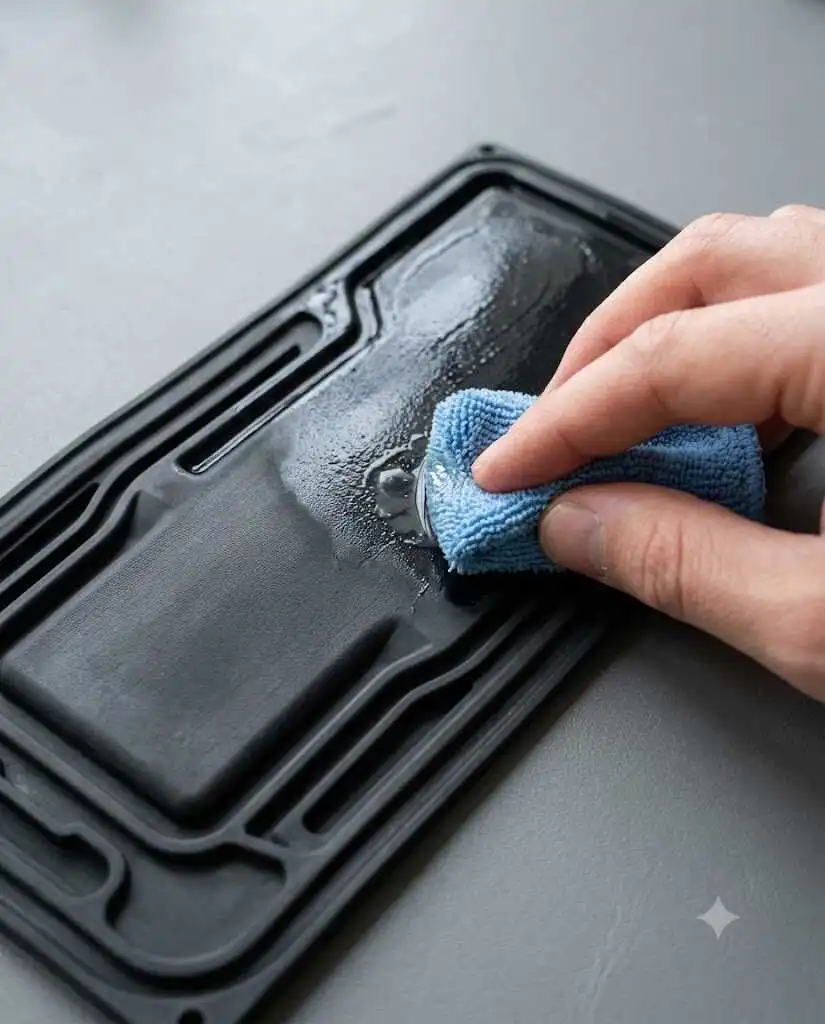
- Spread it evenly with a soft microfibre cloth. On hair, focus on the mid-lengths and ends.
- Buff gently after a minute or two.
- Test a hidden spot first on fabric, leather or plastic.
- Reapply only when the shine fades.
How to Remove Silicone Shine
For hair, wash with a clarifying shampoo and follow with a light conditioner. If you use heavy silicone products regularly, a clarifying wash every week or two is a common routine.
For hard surfaces, wipe with isopropyl alcohol or a dedicated degreaser, then rinse and dry. Repeat until water no longer beads on the surface. This step is essential before painting or gluing.
For fabric, launder with a good detergent. Heavier finishes may need more than one wash.
FAQ
What is silicone shine?
It is the glossy finish created by a thin silicone film on hair, surfaces, fabric or moulded products. The film smooths the surface and repels water and dirt.
Is silicone shine bad for hair?
Not on its own. Problems start when heavy silicones build up and leave hair limp, dull or hard to moisturise. Lighter formulas and regular clarifying washes keep that in check.
Can you use silicone sprays on a car dashboard?
Yes, in a thin, buffed coat on dashboards and trim. Keep it off the steering wheel, pedals and seats, and remember that a very glossy dash can cause glare.
How do you remove silicone buildup from hair?
Use a clarifying shampoo, then a light conditioner. Switching to water-soluble or lighter silicones helps prevent it from returning.
How long does silicone shine last?
It depends on the surface. On hair it usually lasts until the next wash. On bikes and trim it can last days to weeks, depending on weather and cleaning. On fabric, it fades gradually with washing.
Are silicone-based tyre dressings better than water-based ones?
Neither wins everywhere. Silicone-based dressings give a deeper gloss and stronger water repellence, while water-based ones give a satin finish and easier cleanup. Choose by the look you want and how often you are happy to reapply.
Bottom Line
Silicone shine is a simple way to add gloss, softness and water resistance, as long as you match the product to the job. Use light formulas on fine hair, keep sprays away from brakes and anything you plan to paint, and clean surfaces before and after treatment. Used with a little care, silicone shine gives you a polished result without the common headaches.