
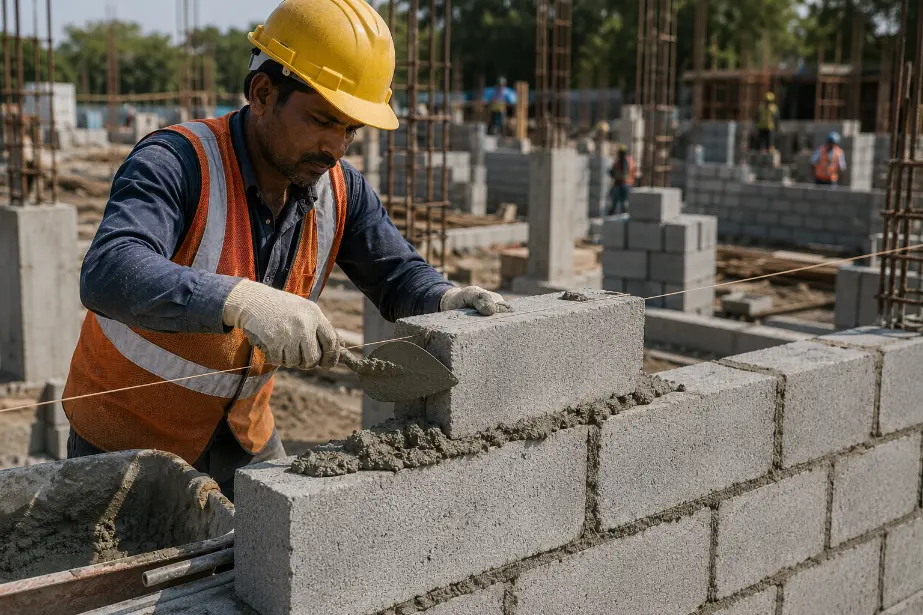
Mortar is a basic but important material used in many construction projects. It is commonly seen between bricks, blocks, and stones, where it helps hold masonry units together and keeps walls stable. It is also used for plastering, repairs, joint filling, and other finishing work.
Key Takeaways
- Mortar bonds bricks, blocks, and stones.
- Different applications require different mortar types.
- Proper mixing and curing improve mortar performance.
- Mortar should be compatible with the masonry material.
The quality of mortar depends on the materials used, mix proportions, water content, application method, and curing. Choosing the right type of mortar for a particular job is important because a mix that works well for one application may not be suitable for another.
Also Read:Grout:Application Guide
What Is Mortar?
Mortar is a workable mixture generally made from a binder, fine aggregate, and water. Cement and lime are common binders, while sand is usually used as the fine aggregate. Some specialized mortars may also contain polymers, chemical additives, or other materials to provide specific properties.
When mixed with water, the material becomes workable and can be placed between masonry units. It gradually hardens and forms a bond that helps the masonry remain stable.
Main Functions of Mortar
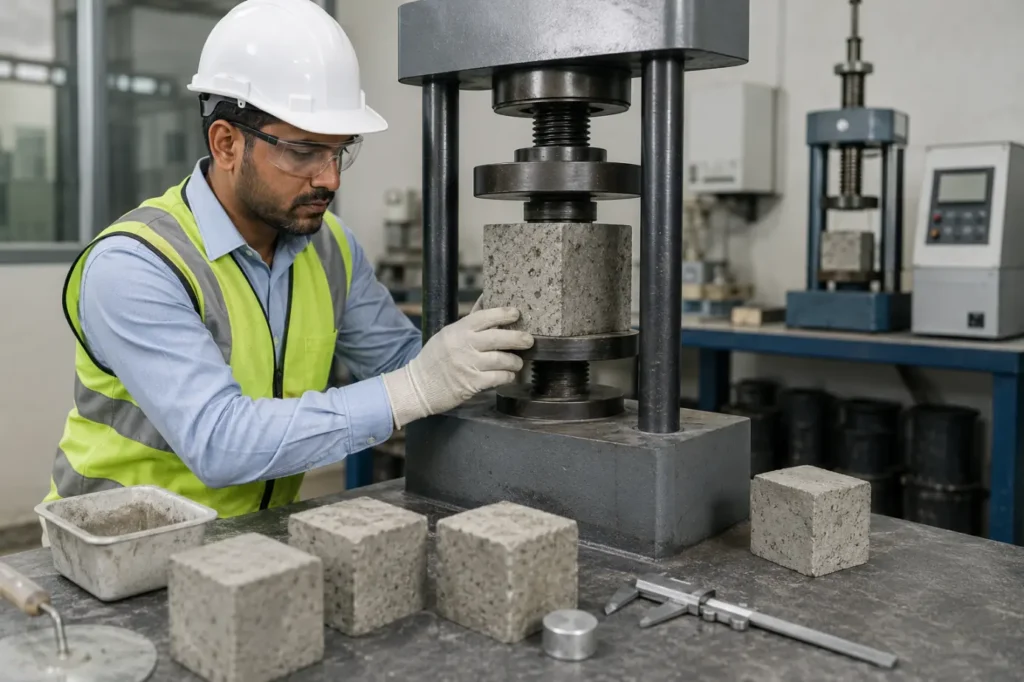
It does more than simply join bricks or blocks. Its main functions include:
- Bonding: It connects bricks, blocks, or stones and helps form a stable wall.
- Load distribution: It helps distribute loads between individual masonry units.
- Joint filling: It fills gaps between masonry units and reduces openings.
- Surface protection: Certain mortar mixes are used for plastering and surface finishing.
- Moisture control: Properly finished joints can reduce the entry of water through masonry.
- Appearance: Mortar joints can affect the overall look and finish of brick and stone walls.
Types of Mortar
Different types of mortar are selected based on the construction method and performance requirements.
Cement Mortar
Cement mortar is one of the most common choices in modern construction. It is used for brick masonry, blockwork, plastering, repairs, and several other applications.
Its performance depends on factors such as cement quality, sand grading, mix proportion, water content, mixing, and curing. Adding too much water can make mortar easier to apply, but it may also reduce its performance after hardening.
Lime Mortar
| Type of Mortar | Key Characteristics | Common Uses |
|---|---|---|
| Cement Mortar | Strong and widely available | Brickwork, blockwork, plastering |
| Lime Mortar | Flexible and workable | Heritage buildings and restoration |
| Cement-Lime Mortar | Good balance of strength and workability | General masonry |
| Mud Mortar | Simple and economical | Traditional and low-cost construction |
| Polymer-Modified Mortar | Improved adhesion and performance | Repairs and specialized applications |
| Chemical-Resistant Mortar | Designed to withstand certain chemicals | Industrial environments |
Lime mortar has a long history in building construction. It is particularly useful for traditional masonry and restoration work because it can be more flexible and compatible with older masonry materials.
For heritage structures, the mortar should be selected carefully. A very hard mortar may not always be suitable for softer historic bricks or stones.
Cement-Lime Mortar
Cement-lime mortar combines cement with lime. Lime can improve workability and help the mortar accommodate small movements, while cement contributes to strength. The appropriate proportion depends on the intended use and project specifications.
Properties of Good Mortar
A good mortar should have properties suited to the masonry system and site conditions. Important characteristics include:
- Good workability
- Adequate bond strength
- Suitable compressive strength
- Good water retention
- Consistent texture
- Low excessive shrinkage
- Adequate durability
- Compatibility with masonry units
The strongest mortar is not necessarily the best mortar. Compatibility with the bricks, blocks, or stones is just as important as strength.
How to Prepare Mortar Properly
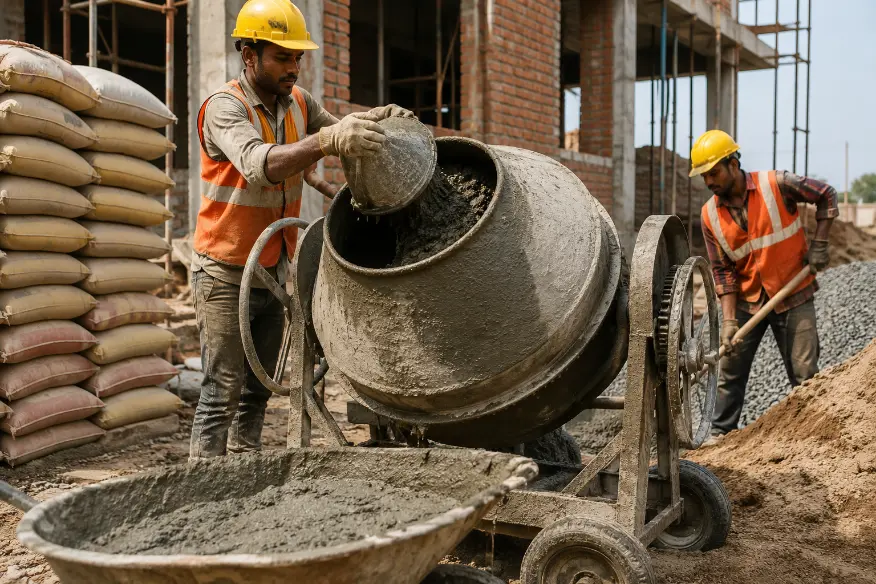
Correct preparation can make a significant difference to mortar performance. A general process includes:
- Measure the required materials according to the specified mix.
- Mix the dry ingredients thoroughly.
- Add water gradually rather than all at once.
- Continue mixing until the material reaches a uniform consistency.
- Apply the mortar within the recommended working time.
- Finish the joints or surface as required.
- Protect and cure the mortar properly.
Clean sand and suitable-quality water should be used. On-site changes to the mix should be avoided unless they are permitted by the project specification.
Common Mortar Problems
Poor mortar can lead to several construction problems. Some common issues include:
- Cracking: Often associated with shrinkage, movement, poor curing, or unsuitable mix proportions.
- Weak bonding: Can occur because of poor surface preparation or incorrect mortar consistency.
- Efflorescence: White deposits may appear when soluble salts move toward the surface with moisture.
- Excessive shrinkage: Often linked to unsuitable proportions or excessive water.
- Poor workability: Mortar that is too dry or too wet can be difficult to apply correctly.
Applications of Mortar
Mortar is commonly used for:
- Brick and block masonry
- Stone masonry
- Wall plastering
- Masonry repairs
- Repointing joints
- Joint filling
- Surface finishing
- Restoration work
- Certain industrial repair applications
Frequently Asked Questions
1. What is mortar mainly used for?
Mortar is mainly used to bond bricks, blocks, and stones. It is also used for plastering, repairs, joint filling, and surface finishing.
2. What are the main ingredients of mortar?
Most conventional mortar contains a binder such as cement or lime, fine aggregate such as sand, and water. Some specialized products may contain additional additives.
3. Is mortar the same as concrete?
No. Mortar generally uses fine aggregate and is mainly used for masonry and finishing. Concrete normally contains both fine and coarse aggregates and is commonly used for structural elements such as slabs, beams, and foundations.
4. Why does mortar crack?
Mortar may crack due to shrinkage, poor curing, excessive water, movement in the masonry, unsuitable materials, or incorrect mix proportions.
5. How do you choose the right mortar?
The choice depends on the masonry material, required strength, exposure conditions, type of construction, and project specifications. A mortar should be compatible with the materials it is being used with.
Also Read:Chemical Resistant Construction
Conclusion
Mortar plays a simple but essential role in construction. Its job is not limited to holding masonry units together. It also affects joint strength, durability, moisture resistance, appearance, and the long-term performance of masonry.
Using suitable materials, maintaining the correct mix, controlling water, applying the mortar properly, and providing adequate curing can help achieve reliable results. The right mortar is one that matches the specific requirements of the construction work, rather than simply being the strongest available option.