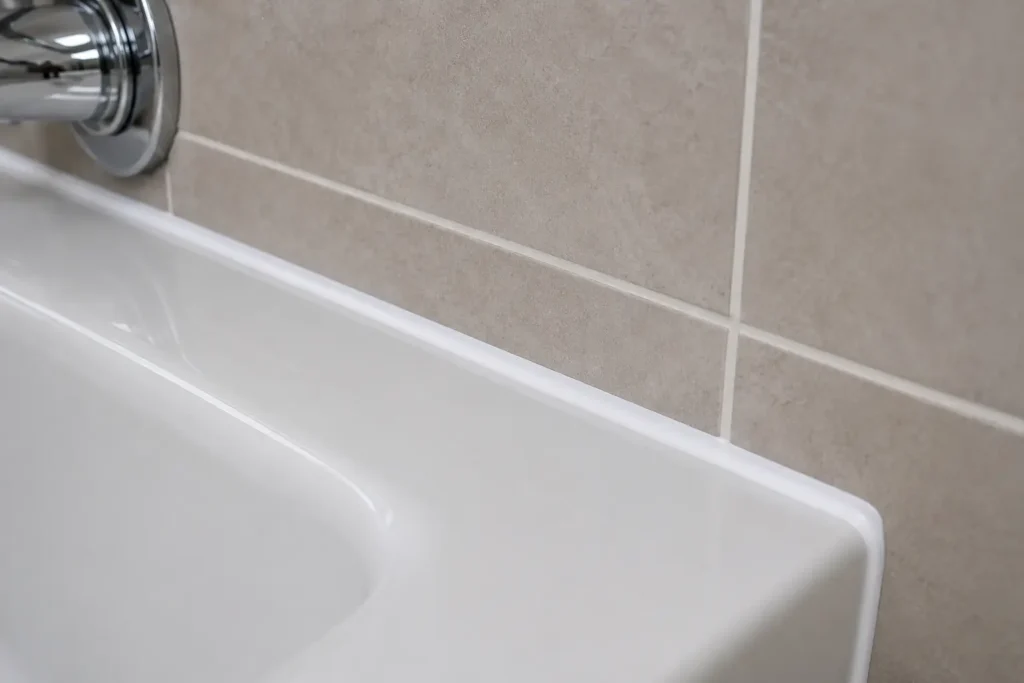
Small gaps and joints can create surprisingly big problems in a building. Water may enter around a sink, rain can penetrate a window joint, or movement between two materials can cause cracks. Silicone sealant is commonly used to deal with these issues because it creates a flexible seal that can withstand moisture and minor movement.
Key Takeaways
- Silicone sealant helps prevent water and moisture penetration.
- It creates flexible, durable joints between different surfaces.
- Curing time varies with product and environmental conditions.
- Proper surface preparation improves sealant performance.
It is used in homes, commercial buildings, workshops and construction projects. However, different applications require different types of silicone sealant, so choosing the right product is important.
What Is Silicone Sealant?
Silicone sealant is a flexible sealing material that cures into a rubber-like layer after it is applied. It is designed to close joints, gaps and openings between compatible surfaces.
One of its main advantages is flexibility. Building materials can expand and contract with changes in temperature. A rigid filler may crack under this movement, while silicone can generally accommodate small changes without losing its seal.
Silicone sealants are available in several formulations for different surfaces and conditions. Depending on the product, they may be suitable for:
- Glass
- Ceramic
- Aluminium
- Metal
- Concrete
- Wood
- Tiles
- Selected plastic surfaces
The product instructions should always be checked before application because adhesion varies between materials.
Also Read:Grout:Application Guide
Types of Silicone Sealant
There is no single silicone sealant suitable for every job. Common varieties include:
| Silicone Type | Where It Is Commonly Used |
| Acetoxy Silicone | Glass, ceramic and general sealing work |
| Neutral Cure Silicone | Metal, aluminium, concrete and sensitive surfaces |
| Sanitary Silicone | Bathrooms, kitchens, sinks and wet areas |
| Weatherproof Silicone | Exterior joints, windows and façade work |
| High-Temperature Silicone | Applications exposed to higher temperatures |
| Structural Silicone | Specialized glazing and structural applications |
The choice should be based on the substrate, expected movement, temperature, moisture exposure and other conditions at the installation site.
Where Is Silicone Sealant Used?
Silicone sealant has a wide range of applications in construction and maintenance.
Bathrooms and Kitchens
Water frequently comes into contact with joints around sinks, countertops, bathtubs and shower areas. A suitable sanitary silicone can seal these areas and help limit water penetration.
Windows and Glass
Joints around windows and glass panels need protection from rain and air infiltration. Silicone sealant is often used because it can adhere to glass and remain flexible after curing.
Tile and Sanitary Installations
Joints between tiles and sanitary fittings can be sealed with silicone. It is particularly useful where regular exposure to water is expected.
Exterior Joints
Exterior-grade silicone can be used in selected joints exposed to sunlight, rain and temperature changes. The product must be suitable for outdoor conditions.
Benefits of Silicone Sealant
Silicone sealant is popular because it offers several useful properties:
- Flexibility: It can accommodate small movements within a joint.
- Moisture resistance: Properly cured silicone can provide an effective water-resistant barrier.
- Weather resistance: Suitable exterior grades can withstand outdoor exposure.
- Temperature resistance: Certain formulations remain stable across wide temperature ranges.
- Good adhesion: Compatible silicone products can bond well with materials such as glass, ceramic and metal.
- Durability: A correctly selected and installed sealant can remain functional for a long time.
- Neat finish: It can create a clean and uniform joint when properly applied.
How to Apply Silicone Sealant?
The quality of a silicone joint depends heavily on preparation and application.
1. Remove contaminants:
Clean away dust, grease, loose particles and old sealant from the joint.
2. Prepare the surface:
Make sure the surface is compatible with the selected product and is sufficiently dry where required.
3. Prepare the cartridge:
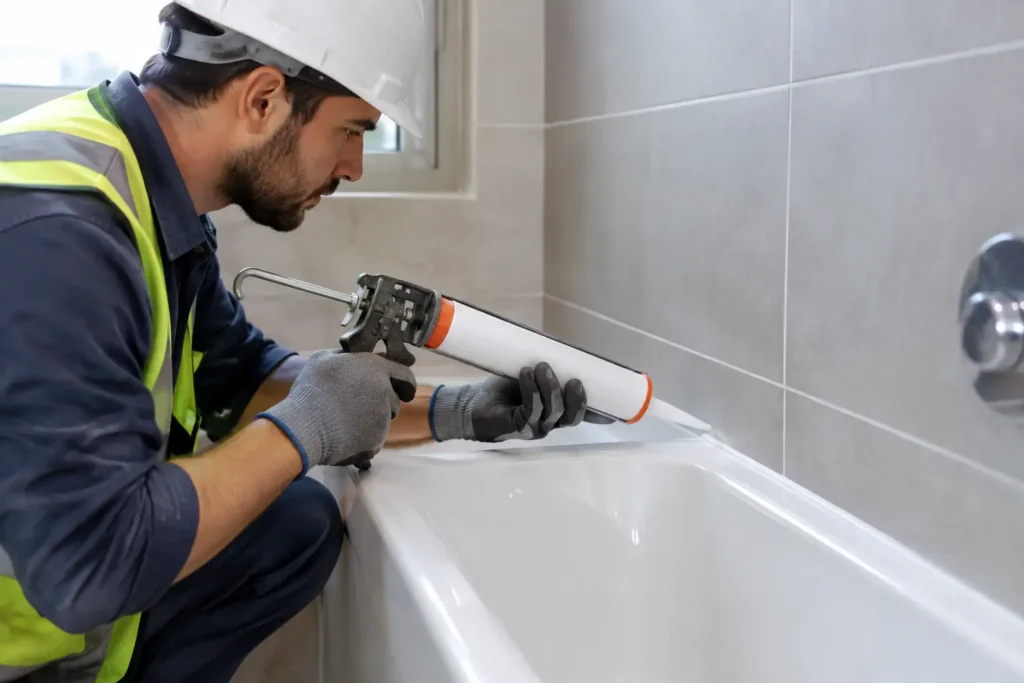
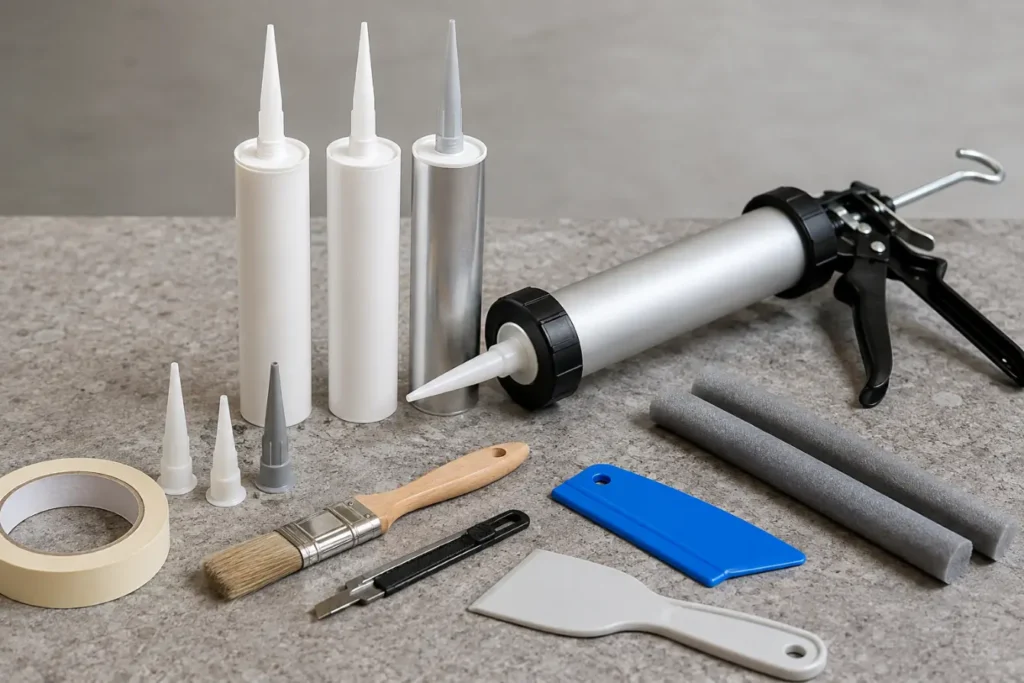
Cut the nozzle to the desired opening and place the cartridge in a suitable sealant gun.
4. Apply the bead:
Run a continuous bead through the joint. Try to maintain consistent pressure while applying it.
5. Smooth the sealant:
Tool the fresh sealant to create proper contact with the joint surfaces and achieve the desired finish.
Also Read:Mortar in Construction
Common Application Mistakes
Even a good-quality silicone can perform poorly when it is incorrectly installed. Some common mistakes include:
- Applying sealant over dusty or greasy surfaces
- Choosing a product that is incompatible with the substrate
- Applying an uneven or insufficient bead
- Leaving damaged sealant underneath a new application
- Moving or disturbing the joint during curing
- Using indoor-grade silicone in exposed exterior locations
- Ignoring the recommended joint dimensions
- Using a general-purpose product for a specialized application
Frequently Asked Questions
1. What is silicone sealant mainly used for?
It is mainly used to close gaps and joints and to protect them from moisture, air and environmental exposure. Windows, bathrooms, kitchens, glass and sanitary installations are common examples.
2. Is silicone sealant suitable for wet areas?
Yes, products specifically designed for wet areas can be used around sinks, showers, bathtubs and other moisture-prone locations. Sanitary-grade silicone is commonly selected for these applications.
3. How long does silicone sealant take to cure?
The curing period for silicone sealant can vary based on the product, thickness of the applied bead, temperature, and moisture levels. For the best results, allow the sealant to cure for the time recommended by the manufacturer before exposing it to water, movement, or other stresses.
4. How long does silicone sealant take to cure?
The curing period varies according to the formulation, temperature, humidity and joint size. The manufacturer’s technical instructions should be followed for the specific product.
5. Can silicone sealant be painted?
Standard silicone is generally difficult to paint successfully because cured silicone has a low-energy, flexible surface. If the joint needs to be painted, use a product specifically recommended for that requirement.