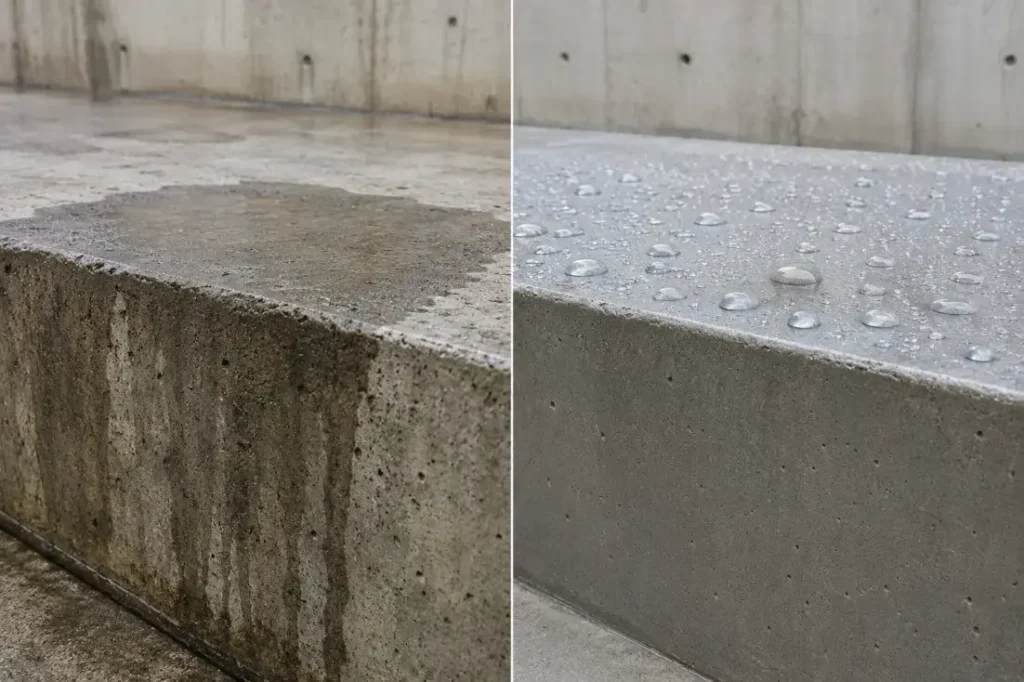
Water is one of the most common causes of damage in industrial and commercial structures. Constant exposure to moisture can affect concrete, masonry, foundations, roofs, tanks, joints, and other building components. Over time, water penetration may contribute to dampness, cracking, corrosion, surface deterioration, and costly repairs. Industrial Waterproofing Products (IWP) help protect these structures from moisture-related damage and support their long-term performance.
Key Takeaways
- Industrial Waterproofing Products (IWP) protects industrial structures from water and moisture damage.
- Different waterproofing products suit different surfaces and applications.
- Proper surface preparation improves waterproofing performance and durability.
- The right IWP can reduce leakage, deterioration, and maintenance needs.
Industrial Waterproofing Products (IWP) are used to protect structures from these problems. They include different types of coatings, sealants, membranes, admixtures, grouts, and repair materials. The right product depends on where it will be used and the type of water exposure the structure faces.
What Are Industrial Waterproofing Products (IWP)?
Industrial Waterproofing Products (IWP) are construction materials designed to reduce or prevent water and moisture from entering a structure. They are used in both new construction and repair work.
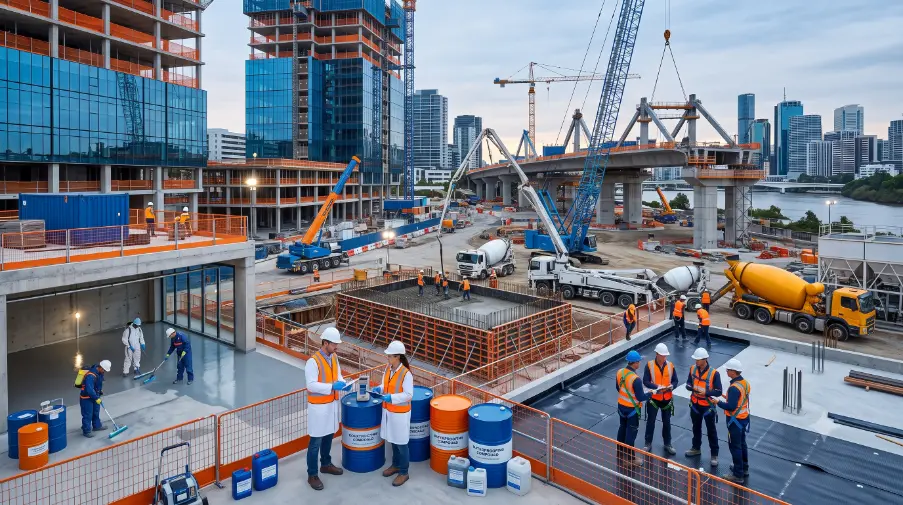
Industrial environments often have more demanding conditions than residential buildings. A waterproofing system may need to deal with groundwater, rain, standing water, temperature changes, chemical exposure, or regular mechanical stress.
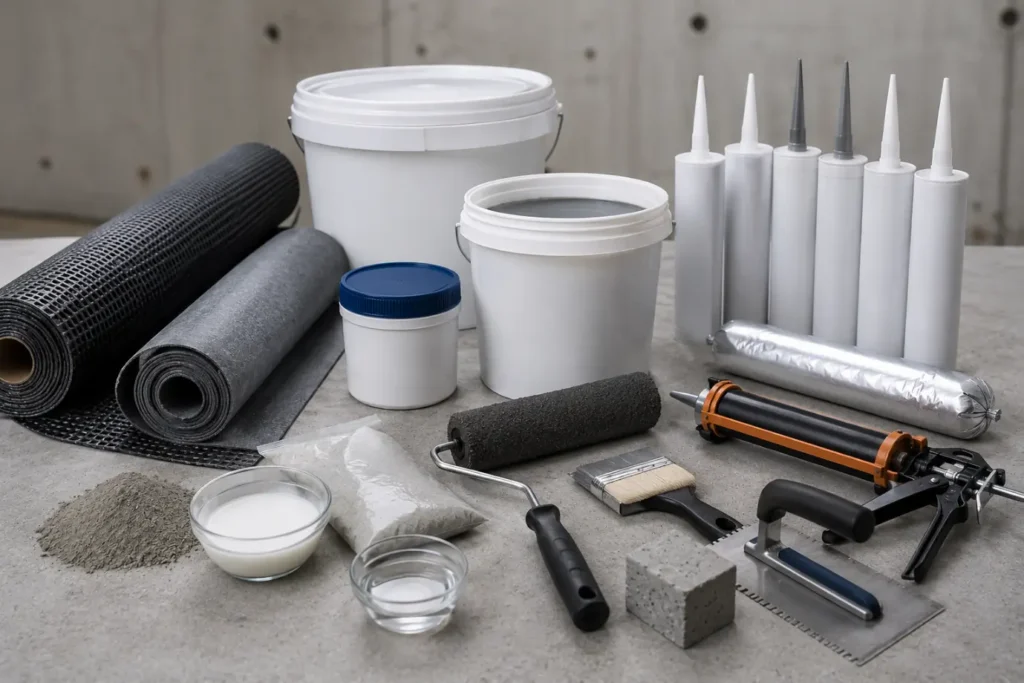
Some commonly used products include:
- Waterproofing coatings
- Cementitious waterproofing compounds
- Polyurethane waterproofing systems
- Bituminous coatings and membranes
- Waterproofing admixtures
- Polysulphide sealants for joints
- Injection grouts for cracks and leaks
- Concrete repair mortars
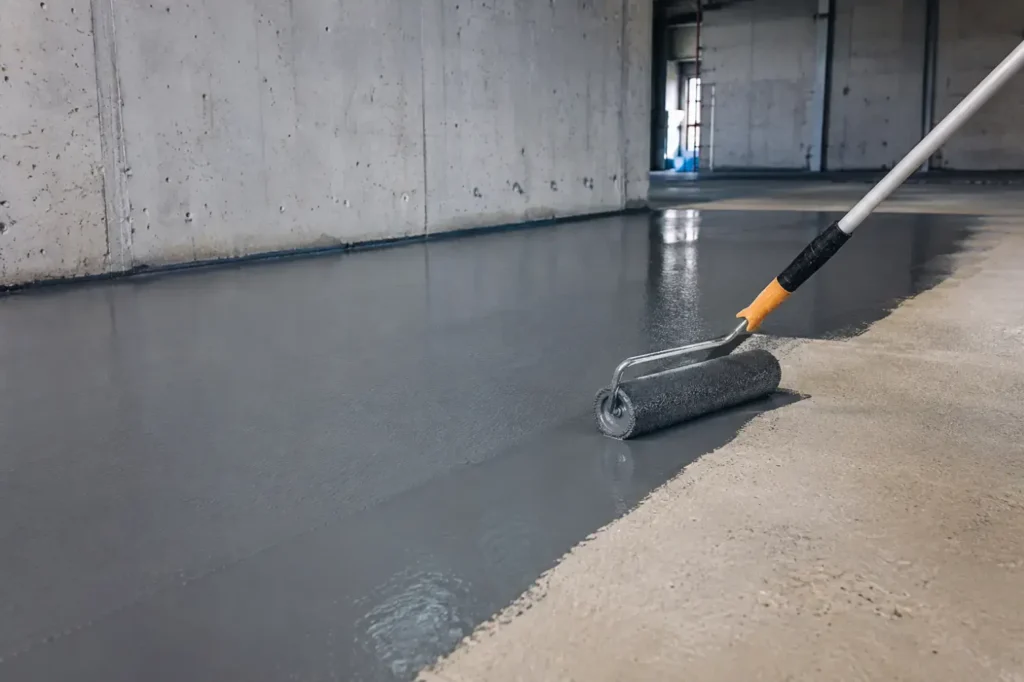
Common Applications of IWP
Waterproofing requirements vary from one structure to another. Industrial waterproofing products(IWP) are commonly used in:
- Factories and manufacturing units
- Warehouses and storage buildings
- Basements and underground structures
- Concrete water tanks
- Sewage and water treatment facilities
- Foundations and retaining structures
- Industrial roofs and terraces
- Tunnels and parking areas
- Expansion and construction joints
- Bridges and other concrete infrastructure
For example, a flexible sealant may be more suitable for a moving construction joint, while a cementitious coating may be appropriate for a concrete tank or basement wall.
Also Read:Silane Waterproofing
Types of Industrial Waterproofing Products (IWP)
Choosing a waterproofing material based only on price can lead to problems later. The product needs to match the surface and exposure conditions.
| Product | Typical Use | Key Function |
|---|---|---|
| Cementitious coating | Tanks, basements, concrete walls | Protects against water penetration |
| PU waterproofing | Roofs, decks, exposed surfaces | Provides flexible waterproof protection |
| Bituminous membrane | Foundations and roofs | Creates a water-resistant barrier |
| Waterproofing admixture | Concrete and mortar | Helps reduce water permeability |
| Polysulphide sealant | Construction and expansion joints | Seals joints where movement occurs |
| Injection grout | Cracks and leakage points | Seals internal water pathways |
| Repair mortar | Damaged concrete | Repairs and restores deteriorated areas |
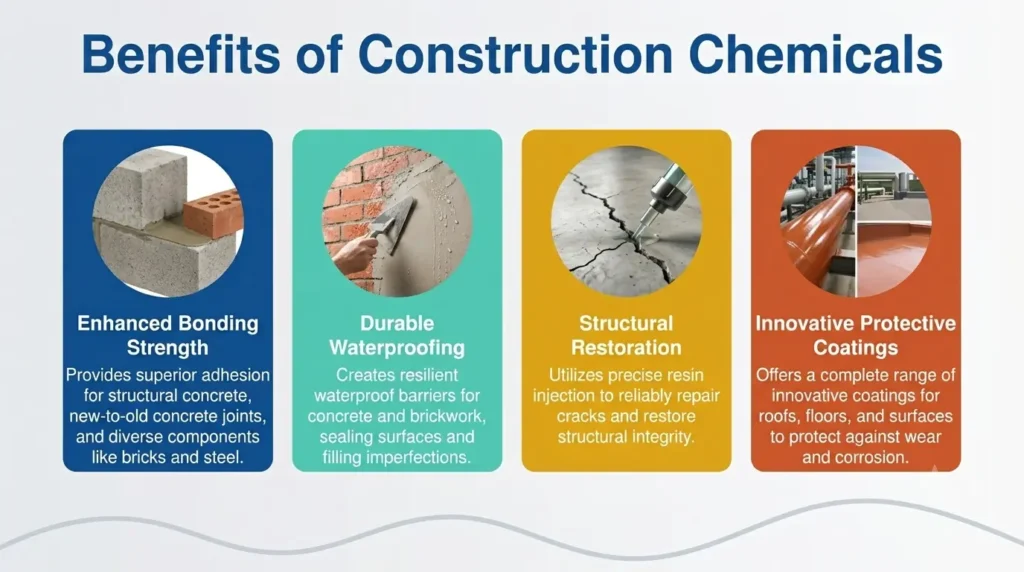
Benefits of Industrial Waterproofing Products (IWP)
A suitable waterproofing system can help protect a structure throughout its service life. Some of the main benefits are:
Protects Concrete and Reinforcement
Water entering concrete can contribute to deterioration and may increase the risk of reinforcement corrosion. Waterproofing helps limit moisture penetration.
Reduces Leakage Problems
Properly selected products can help control leakage through roofs, joints, walls, tanks, basements, and other vulnerable areas.
Helps Reduce Maintenance Costs
Addressing water ingress early can reduce repeated repairs and the damage associated with prolonged moisture exposure.
Supports Longer Structural Life
Keeping water away from vulnerable construction components can help maintain their condition for longer.
Protects Equipment and Stored Materials
In industrial facilities, water leakage can damage machinery, electrical systems, raw materials, and finished products. Waterproofing provides an additional layer of protection.
What Should You Consider Before Choosing Industrial Waterproofing Products (IWP)?
The same waterproofing product will not work equally well in every situation. Consider these factors before making a selection:
- Type and condition of the substrate
- Source and amount of water exposure
- Presence of cracks or joints
- Expected structural movement
- Temperature and weather conditions
- Possible chemical exposure
- Application and curing requirements
- Required durability and maintenance schedule
Surface preparation is equally important. Dust, loose concrete, oil, grease, and other contaminants should be removed before application. Cracks, damaged concrete, and defective joints should also be addressed where necessary.
Conclusion
Industrial Waterproofing Products (IWP) are an important part of protecting industrial buildings and concrete structures from moisture-related damage. Coatings, membranes, admixtures, sealants, grouts, and repair materials each serve different purposes.
The best result comes from choosing a product based on the actual site conditions and following the manufacturer’s application instructions. Good surface preparation and proper installation are just as important as the product itself.
Frequently Asked Questions
1. What are Industrial Waterproofing Products (IWP)?
Industrial Waterproofing Products are materials used to protect buildings and infrastructure from water and moisture penetration. They include coatings, membranes, sealants, admixtures, grouts, and repair materials.
2. Where are (IWP) products commonly used?
They are used in factories, warehouses, basements, foundations, roofs, water tanks, treatment plants, tunnels, parking structures, and concrete infrastructure.
3. Which waterproofing product is best for industrial applications?
There is no single product that is best for every application. Selection depends on the substrate, water exposure, movement, environmental conditions, and project requirements.
4. Are waterproofing products useful for concrete structures?
Yes. Appropriate waterproofing products can help reduce moisture penetration and protect concrete structures from water-related deterioration.
5. Is surface preparation necessary before waterproofing?
Yes. A clean, sound, and properly prepared surface is essential for good adhesion and reliable waterproofing performan
Also Read: Repair Mortar:Application and Benefits