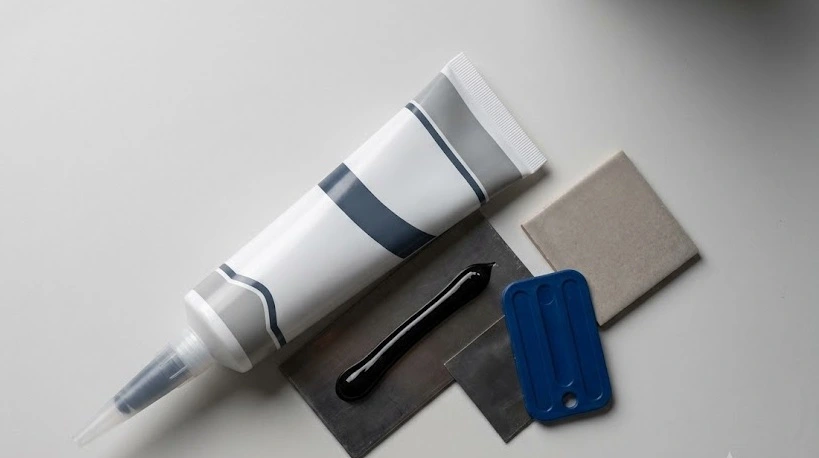
Black silicone sealant does two jobs at once. It keeps water, dust and draughts out of a joint, and it draws a clean dark line that can look deliberate instead of hidden.
Whether you are finishing a modern bathroom, sealing a window frame or protecting an electrical box, the right product and a careful hand make all the difference. This guide covers where it works, how the types differ, how to choose a good one and how to apply and look after it.
Key Takeaways
- It suits wet areas, frames, vehicles and enclosures.
- Neutral-cure types are the safer choice on metals, plastics and stone.
- Mould protection comes from additives, not from the colour.
- Black shows smears and fingerprints, so neat tooling matters.
- Silicone cannot be painted, so the colour is final.
- Buy every cartridge from one batch to keep the shade consistent.
What Black Silicone Sealant Is and Why People Choose It
It is the same flexible, waterproof material as clear or white silicone, with a dark pigment added. Once cured, it forms a soft rubber seal that moves with the joint instead of cracking.
Black silicone sealant is often labelled RTV, short for room temperature vulcanizing. It simply means the sealant cures by itself from moisture in the air, with no heat or mixing. Black RTV is also sold as a gasket maker for engine work, so check which product you are holding.
People pick black for two reasons. The first is looks: a dark line against white tile, glass or pale metal gives crisp definition, and it blends in beside black frames, taps and machinery. The second is practicality, because dark colours hide ordinary grime well, although black sealant shows dust and pale soap residue more.
Where Black Silicone Sealant Works Best
Black silicone sealant is versatile, but every setting has its own demands.
- Bathrooms and kitchens: ideal around black taps, sinks and tile edges. Choose a sanitary grade with mould protection, and inspect the joint often, because mould is harder to spot against a dark bead.
- Windows, doors and frames: good for weatherproofing gaps around metal and glass. It is not a replacement for a sealant rated for structural glazing.
- Roofs, gutters and exterior repairs: useful for sealing small gaps and leaks. Use a product rated for outdoor exposure, and check compatibility with bitumen and roofing materials first.
- Vehicles and machinery: suits lights, housings and other non-pressurised joints. Engine gaskets need a product rated for high heat.
- Electrical enclosures and ducts: helps keep dust and moisture out, and many grades also insulate well. Check the datasheet, and prefer neutral cure near exposed metal contacts, because acid-cure types can corrode them.
- Aquariums and food areas: use only a product labelled aquarium-safe or food-safe, and look for marks such as FDA, NSF or UL where they matter. Sanitary grades contain fungicides that do not belong in either.
Acetoxy or Neutral Cure: Which Black Silicone Sealant Do You Need?
Almost every cartridge falls into one of two cure types, and the choice decides what it can safely bond to.
Acetoxy (acid-cure) silicone gives off a sharp vinegar smell as it dries. It cures quickly and grips glass and glazed ceramic well. The downside is that the acid can corrode some metals and may harm plastics or natural stone.
Neutral-cure silicone has little or no smell and is much gentler on the surface underneath. It bonds to a wider range of materials, including aluminium, painted metal, plastics and stone, and usually costs a little more. Labels may call it neutral, oxime or alkoxy cure. If you are unsure what you are sealing, a neutral-cure black silicone caulk is the safer bet.
How to Choose a Good Black Sealant
Cheap tubes are where most disappointment starts. Check these points before you buy:
- Colour quality: look for a deep, even black. Lower-grade products can look greyer or fade sooner.
- Weather and UV rating: important for anything outdoors or in direct sun.
- Temperature range: general-purpose black silicone rubber sealants are commonly rated somewhere around 150 to 180 degrees Celsius, and some high-temperature grades reach around 200, but check the datasheet.
- Cure type: neutral cure for mixed materials, acetoxy only for glass and ceramic.
- Consistency: a non-sag paste stays put on vertical and overhead joints instead of slumping.
- Mould resistance: essential in bathrooms, kitchens and other damp spots.
- Surface limits: most are not recommended for concrete or other alkaline surfaces such as plaster, some can discolour next to EPDM or neoprene, and some can soften certain plastics, so test an offcut first.
A good black silicone rubber sealant lists all of this on the cartridge or datasheet. If the label says very little, move on.
For larger jobs, buy every cartridge at once from the same batch. Small shade differences show quickly along a long dark line, and a spare tube is handy for later repairs.
Silicone, Acrylic or Hybrid: Picking the Right Black Product
Not every dark sealant is silicone, and the types are not interchangeable. Black acrylic is generally cheaper, paintable and easy to clean, but it is less flexible and less water-resistant, so it suits dry interior gaps better than wet joints.
Polyurethane and hybrid products bond strongly, can be painted and are common outdoors, but check that they are rated for your surface. For flexible joints that get wet or swing between hot and cold, black silicone sealant is usually the better fit.
How Much to Buy and How to Store It
Measure the length and width of the joint before you shop, then check the coverage printed on the cartridge. As a rough guide, one manufacturer lists a 280 ml cartridge at about 7 metres for a 6 mm by 6 mm joint, but only around 3.6 metres for a 12 mm by 6 mm joint.
Store cartridges in a cool, dry place away from direct sun, and check the date on the tube. Once opened, plug or cap the nozzle and use the cartridge soon, because sealant that has started to cure inside the nozzle will not give a clean bead.
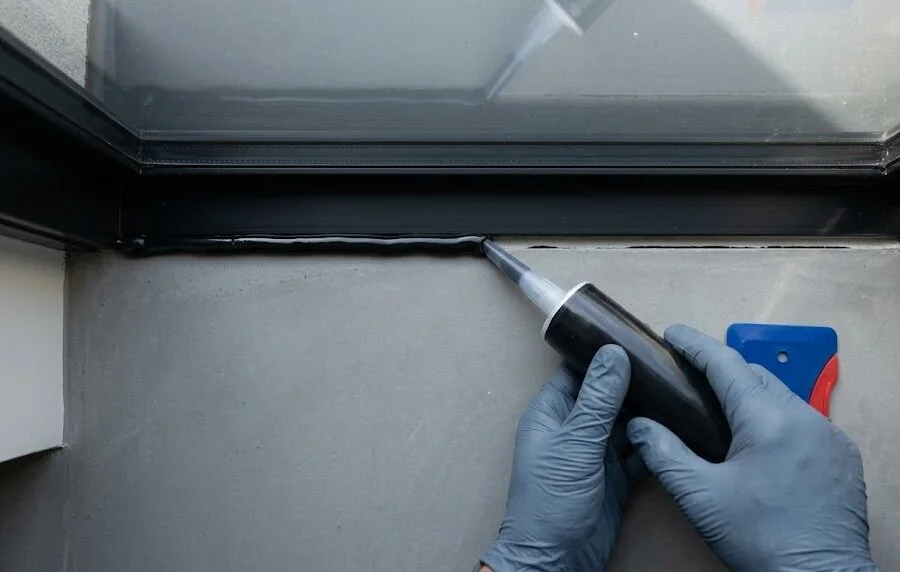
How to Apply Black Silicone Sealant for Clean Lines
Black is unforgiving, so preparation and tooling matter even more than usual.
- Remove all old sealant. Cut it out with a sharp knife or removal tool, then clear the residue with a silicone remover.
- Clean and dry the joint. Use a degreaser or isopropyl alcohol. Porous surfaces may need a primer, so test a small patch first.
- Mask both edges. Run painter’s tape along each side, leaving a narrow gap for the bead.
- Apply one steady bead. Cut the nozzle at 45 degrees to suit the gap and keep an even pace.
- Tool it quickly. Smooth with a finger dipped in soapy water or a profiling tool, and wipe any smears at once. Clean your tools with white spirit before the sealant cures.
- Pull the tape early. Remove it before a skin forms, or the edge will tear.
- Let it cure. Silicone is often touch-dry within 15 to 20 minutes, but a full cure usually takes about 24 hours, and some industrial grades take longer. Ventilate the room and wear gloves and glasses, especially with acetoxy types.
Check the result in good light while you can still fix it.
Common Mistakes With Black Silicone Caulk
- Buying a low-grade tube that turns grey within a short time
- Skipping the tape and ending up with wavy edges
- Sealing over damp, dusty or greasy surfaces
- Laying fresh silicone over old silicone
- Using a sanitary grade in a fish tank or on a food-prep surface
- Mixing batches on one long run
Cleaning, Maintenance and Replacement
Wipe a black silicone sealant joint with mild soapy water and a soft cloth. Avoid abrasive pads, which scratch the surface and hold dirt, and avoid harsh chlorinated cleaners, which can wear down mould protection.
Inspect it every few months for cracks, gaps, lifting edges or colour change. Patches show clearly on a dark bead, so replace the whole section when repair is needed. Lifespan depends on the product, the exposure and how much the joint moves, so follow the manufacturer’s guidance.
When Black Sealant Is Not the Right Choice
Silicone cannot be painted, because paint will not stick. If you plan to repaint, choose a paintable hybrid sealant instead.
Never use black silicone caulk on the threads of pressurised pipes. It is a gap filler and gets squeezed out when the joint is tightened, so PTFE tape or jointing compound is the right tool. It is also not a structural adhesive unless the product is specifically rated for that, and it cannot cure a failed waterproofing layer or a leaking pipe.
Faqs
What is black silicone sealant used for?
Black silicone sealant is used to waterproof and seal joints where a dark finish is wanted. Common jobs include bathrooms, kitchens, window and door frames, vehicle lights, machinery housings and electrical enclosures.
Is black silicone sealant heat resistant?
Many general-purpose black silicone rubber sealants tolerate roughly 150 to 180 degrees Celsius once cured, and some high-temperature grades reach around 200 degrees. Ratings vary, so read the datasheet, and choose a dedicated gasket maker for engine parts.
Does black sealant fade or turn grey?
Quality products with good UV resistance hold their colour well, while low-grade ones can look greyer or chalky over time. Harsh cleaners and constant sun can speed this up.
Can you paint over black silicone caulk?
No. Paint does not stick to cured silicone. If you need a paintable joint, use a hybrid sealant made for that purpose.
How long does black silicone sealant take to dry?
It is usually touch-dry in around 15 to 20 minutes and fully cured in about 24 hours, although some industrial grades need up to 72. Thick beads and cool or damp conditions take longer, so follow the cartridge instructions.
Bottom Line
The right black silicone sealant is neutral cure where materials are mixed, mould-resistant in wet areas and made by a brand that lists its specifications. Prepare the joint, mask it, tool it neatly and give it time to cure, and the dark line will look sharp and last for years.