Crafting Flawless Candles with High-Grade Molds
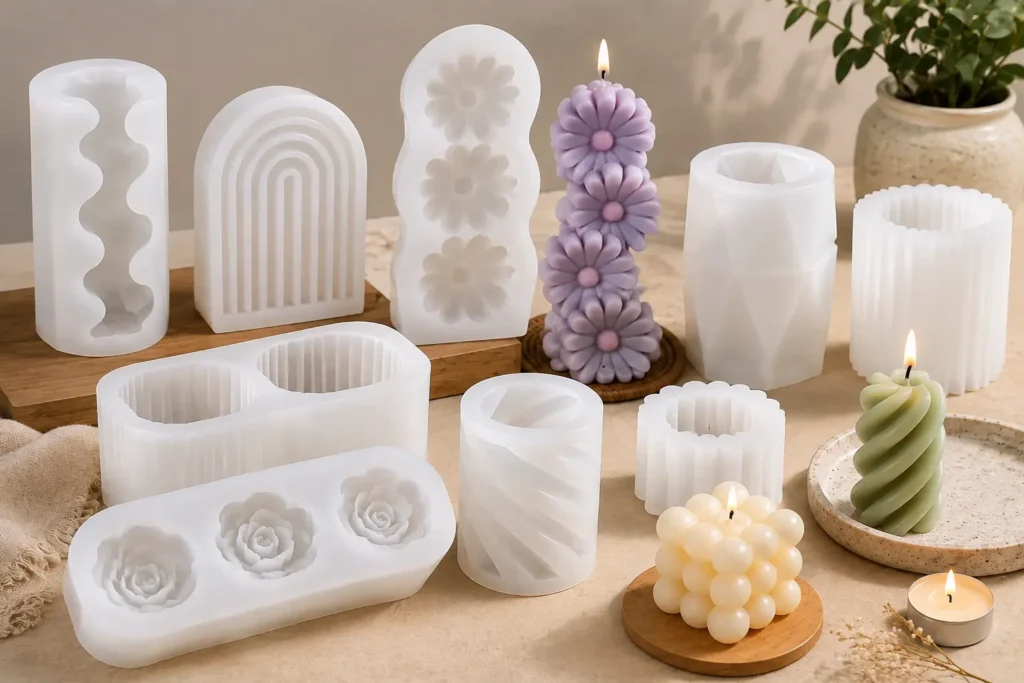
Using a silicone mold for your candle is one of the best options for ensuring crisp, professional-looking shapes, whether working at home or professionally. The rigid plastic and metal molds can result in sticking, cracking, and a poor surface finish when pouring complex geometrical and three-dimensional pillar candles. Premium quality food-grade and industrial silicone molds are flexible, heat-resistant, and feature easy-release characteristics.
Table of Contents
The Science of Silicone Candle Molds
The silicone candle molds are better than other types of molds owing to the following properties:
1. Heat Resistant: Silicone is able to withstand heat and can be used even while molding candles made from high-pour paraffin or special pillars.
2. Low Surface Energy: Liquid wax will not stick to the smooth silicone polymer matrix and hence does not require any additional chemical mold release agent.
3. Elastic Recovery: The tensile property of silicone enables the molds to bend without tearing back to the original shape.
Comparing Silicone, Plastic, and Metal Molds
The following table details how silicone candle molds compare against traditional mold options:
| Feature | Silicone Candle Mold | Rigid Plastic Mold | Aluminum/Metal Mold |
| Ease of Unmolding | Exceptional (flexes and peels away) | Difficult (requires tapping/freezing) | Moderate (requires release spray/pulling) |
| Detail Reproduction | Captures intricate 3D textures & curves | Limited to simple geometric forms | High durability, medium detail flex |
| Durability & Flex Life | High tear resistance (if cared for) | Cracks easily if dropped or cold | Nearly indestructible, but dents |
| Heat Resistance | high heat tolerance | Low (warps under high heat) | Extreme heat tolerance |
| Cleaning Effort | Easy (warm water & mild soap) | Scratches easily during scrubbing | Requires careful scraping/solvents |
How to Use a Silicone Candle Mold Step-by-Step
Choosing a durable silicone mold prevents wax cracking and edge fractures during removal.
- Preparation and Wick Installation: Make a hole in the bottom of the silicone mold using a wick needle. Insert the cotton braided wick and close the outer base with mold sealant putty to prevent leaks.
- Center the Wick Alignment: Utilize a wooden wick centering tool/clip across the opening of the mold to make sure that the wick remains straight and in the middle of the cavity.
- Melt and Scent the Wax: Melt the selected pillar wax (e.g., soy pillar blend, beeswax or paraffin) according to its recommended pouring temperature and add dye and fragrance oils to it.
- Pour the Molten Wax Carefully: Slowly pour the melted wax into the center of the mold without trapping any air bubbles against the complex silicone walls of the mold.
- Complete Cool Down Period: Leave the candle to cool down for 8-24 hours (varying by the wax type) at room temperature until the core completely cools down.
- Unmolding the Candle: Take off the wick sealant putty, gently pull the outer walls of the mold apart from the edges of the wax, and roll the mold off the finished candle.
Risks Prevented by Quality Silicone Candle Molds
Using a flexible silicone candle mold makes stripping wax pillars fast and effortless.
- Detail Fracture: Stops delicate features, flower petals, or geometric angles from snapping off during the unmolding process.
- Surface Frosting and Voids: Smooth inner walls and controlled cooling reduce air pockets, sinkholes, and unsightly surface defects.
- Leak Disasters: Tight wick insertion seals prevent hot liquid wax from seeping out onto workspace surfaces.
- Uneven Burn Performance: Centered wicking alignment ensures your finished candle burns evenly without tunneling or lopsided melting.
Precautions
Washing your silicone candle mold with warm water and mild soap preserves its smooth surface finish. Follow these measures:
- Do Not Use Sharp Metal Tools: Avoid using metal cutters, scissors, or any other sharp tools in the silicone mold cavity since any slight scratch will damage the final look of the candle forever.
- Choose the Right Type of Wax: Always use hard pillar waxes like soy pillars, beeswax, or hard paraffin, and avoid using soft container waxes, which will still be sticky and deformed after removing from the mold.
- Heat Alert: It is essential to avoid overheating your silicone mold with wax, as it could get damaged sooner.
- Storage Tips: Silicone molds should always be stored in a flat, dust-free box away from UV rays.
Elevate Your Candle Making Craft
Investing in a high-quality silicone candle mold opens endless creative possibilities for candle makers of all skill levels. By pairing the natural flexibility and durability of food-grade silicone with proper wicking and wax temperature management, you can produce stunning, defect-free candles with ease. Consistent care and proper techniques ensure your silicone molds remain a reliable staple in your crafting workspace for years to come.
Partnering with Quality Material Suppliers
Are you a candle maker or craft supply brand looking to manufacture high-durability, tear-resistant silicone molds? Partner with Biopol Chemicals to source raw silicone materials engineered for exceptional tear strength, thermal stability, and long mold life. Contact Biopol Chemicals today to elevate your product formulation standards!
Frequently Asked Questions (FAQs)
1. Should I use mold release spray when making candles in a silicone mold?
In general, not necessary. Silicone is inherently slippery, so pillars made from it will pop out easily after curing. But applying a small amount of silicone release spray could help preserve the life of the silicone mold, especially the fragile and intricate ones.
2. What wax to use in silicone candle mold?
It’s better to choose hard pillar waxes like soy pillar wax blends, beeswax or paraffin. Container waxes, which stay soft and flexible, shouldn’t be used.
3. How to remove leftover pieces of wax from silicone candle mold?
Just soak the mold in warm water with a bit of mild dish soap. Then wipe any remaining wax residue with a soft microfiber cloth. Be careful to not damage the interior lining of the mold.
4. How to prevent hot wax leaking from wick hole?
Use mold sealant putty or painters’ tape to cover the exterior hole through which the wick is exiting, before pouring hot wax into a mold.
Also Read